
The Thrill of Instant Gratification
One of the primary reasons that slot machines are considered addictive is the immediate gratification they offer. Players experience excitement and anticipation with every pull of the lever or tap on the screen. Unlike other forms of gambling that may involve prolonged strategies or waiting periods, slot machines deliver results instantly. The quick feedback loop keeps players engaged, as they can experience near-instant results, whether it’s a win or a loss, making it incredibly enticing. For those looking to play, the best australian online casino provides a thrilling experience. This immediate response creates a compelling environment where anticipation builds, and players feel a rush with each spin.
This instant reward can quickly lead to a cycle of continuous play, as players chase the euphoric feeling that comes with winning. Each time a player wins, even if it is a small amount, it can trigger the release of dopamine—a neurotransmitter associated with pleasure and reward. This biological response reinforces the player’s desire to keep playing, as the brain begins to associate the act of playing with positive emotions. The more a player spins, the more their brain craves that rush, creating a powerful cycle that is hard to break.
Moreover, the unpredictability of outcomes enhances this thrill. Slot machines utilize random number generators, which means every spin is independent of the last. This randomness creates a compelling environment where players might believe that a win is just around the corner, keeping them engaged for longer periods. The combination of instant gratification and the allure of potential big wins makes these machines particularly captivating, leading players to dedicate more time and money in hopes of hitting the jackpot.
The Role of Game Design
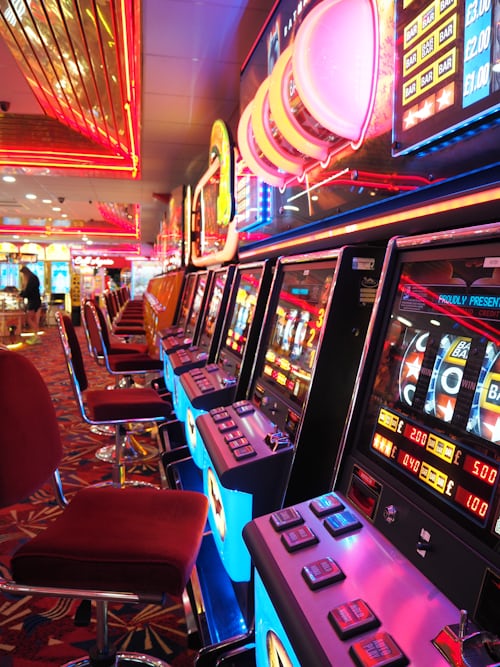
Slot machines are intricately designed to maximize player engagement and ensure a captivating experience. The visual and auditory elements play a significant role in creating an immersive atmosphere. Bright colors, engaging animations, and exciting sound effects are meticulously crafted to stimulate the senses. This sensory overload can make it hard for players to resist the temptation to keep playing. Each spin often features celebratory sounds that reinforce moments of victory, no matter how minor, making players feel as though they are achieving something significant with each play.
Additionally, many modern slot machines incorporate themes based on popular culture, movies, or games, further attracting players. These themes resonate with various audiences, providing a familiar context that makes the game more appealing. For instance, a slot machine themed around a popular movie can draw in fans who are already emotionally invested in the characters and storyline. The inclusion of bonus rounds and special features enhances the game’s complexity, offering more opportunities for players to engage and win, thus deepening their commitment to play.

The strategic placement of elements such as jackpots and multipliers also contributes to the addictive nature of these machines. Players are continually enticed by the thought of winning big, which is often visually highlighted within the game’s interface. The constant reminder of potential rewards can lead to prolonged gaming sessions, as players are driven to invest more time and resources into the pursuit of these lucrative wins. The game design is not just about aesthetics; it’s a carefully calculated strategy to keep players coming back for more.
The Social Aspect of Slot Machines
Slot machines are often situated in bustling environments, surrounded by other players, which can amplify the gaming experience. The atmosphere of a casino can be electric, filled with laughter, cheers, and the sounds of spinning reels. This social environment encourages players to engage in the experience together, even if they are playing independently. The camaraderie that develops among players creates an environment where individuals feel compelled to join in, further enhancing their desire to play. This social interaction can significantly extend the time players spend at the machines.
Moreover, many casinos have introduced loyalty programs and social gaming features that tap into this social aspect. Players may receive rewards for their engagement, such as free spins, discounts, or invitations to special events. These incentives foster a sense of community and belonging, making players feel valued and encouraging them to return to the machines regularly. The more players feel connected to their environment and fellow gamers, the more likely they are to continue playing, as they associate their gaming experience with positive social interactions.
These social dynamics can create a feedback loop, where success and enjoyment are shared among players. Celebrating each other’s wins contributes to an overall feeling of excitement and engagement. This sense of community becomes intertwined with the act of playing, making it more challenging for individuals to walk away from the machines. The social aspects of slot gaming not only deepen the experience but also play a crucial role in reinforcing its addictive nature.
The Psychological Factors at Play
Understanding the psychology behind gambling, particularly with slot machines, reveals deeper reasons for their addictive nature. Cognitive biases, such as the illusion of control, lead players to believe they can influence outcomes, even though the games are purely chance-based. This belief can motivate individuals to play longer in hopes of achieving that elusive winning streak. Players may convince themselves that they have a strategy or can predict outcomes, which can further entrench them in their gaming behavior.
Additionally, the concept of “losses disguised as wins” plays a critical role in the psychology of slot machines. Many machines celebrate small payouts even when players have not won back their initial bet. This can create a misleading perception of winning and lead players to continue playing, convinced they are making progress. The emotional response to these near-wins can produce dopamine spikes, reinforcing the behavior and drawing players back into the cycle of gambling. The brain’s response to these near-wins can be just as powerful as actual wins, encouraging continued play.
However, this psychological pull can also lead to negative consequences. As players become more entrenched in the experience, they may neglect responsibilities and relationships in pursuit of continued play. The lure of winning can overshadow the sobering reality of losses, making it difficult for individuals to recognize their gambling behavior as problematic. The combination of cognitive biases and emotional responses makes it clear why there is a strong psychological component to the addictive nature of slot machines, creating a complex environment that is difficult to navigate for many players.
Discover More About Responsible Gaming
Understanding the addictive nature of slot machines is crucial for promoting responsible gaming practices. Awareness of the factors that contribute to addiction can help individuals make informed decisions about their gaming habits. Many organizations and platforms are dedicated to educating players about the potential risks associated with gambling. They emphasize the importance of setting limits, recognizing signs of addiction, and seeking help when necessary. Resources, such as gambling helplines and support groups, can provide valuable assistance for those who may be struggling.
If you are interested in exploring the world of gaming further, keep in mind the importance of responsible practices. Familiarizing yourself with resources that offer guidance on safe gaming can help ensure that your experience remains enjoyable and healthy. Engaging with materials that promote awareness can empower players to make choices that enhance their enjoyment while mitigating the risks associated with gambling. Understanding your limits can help create a balanced approach to play.
Ultimately, while the design and appeal of slot machines can be captivating, remaining conscious of their addictive potential is essential. By fostering a culture of responsible gaming, players can enjoy the thrill of these machines while minimizing the risk of adverse outcomes. For a deeper understanding and comprehensive information on gaming and responsible practices, consider exploring dedicated platforms that focus on promoting safe gaming experiences. By prioritizing responsible gaming, you can ensure that your time spent playing remains a fun and safe activity.