Choosing the right Heavy-Duty Casters is more than picking a wheel that looks sturdy. The wrong choice can lead to accidents, damaged equipment, or increased costs. At Go Casters, we help businesses in the UAE and beyond make informed choices. Here’s a detailed look at the top 10 mistakes companies make while buying Heavy-duty Casters and how to avoid them.
What Mistake Should You Avoid When Choosing Heavy-Duty?
1. Underestimating the True Weight Load
Many businesses overlook the total weight their casters need to support. Heavy-duty wheels have specific load ratings. Choosing a wheel with a lower capacity than required can cause structural failures, bending, or accidents.
We recommend calculating the equipment weight plus the maximum expected load. Divide this by the number of casters to find the minimum capacity per wheel.
For example, a 1,200 kg machine with four casters needs each caster to handle at least 300 kg. Ignoring this calculation is a common and costly mistake.
2. Picking Wheels Without Matching the Surface
The floor type directly affects caster performance.
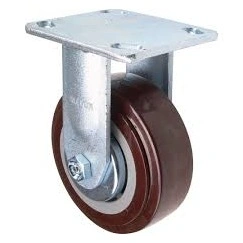
Rugged wheels may damage soft flooring, while soft wheels wear quickly on rough surfaces. Polyurethane wheels often provide the best balance of durability and floor protection.
For Caster Wheels, floors vary from polished concrete to tiles. Selecting the wrong wheel material can reduce efficiency and increase maintenance costs.
3. Overlooking Braking and Safety Features
Safety is critical when moving heavy equipment. Some businesses assume all casters will stay put without brakes. This can lead to accidents, especially on inclined or uneven surfaces.
Go Casters recommends selecting casters with the proper braking mechanism:
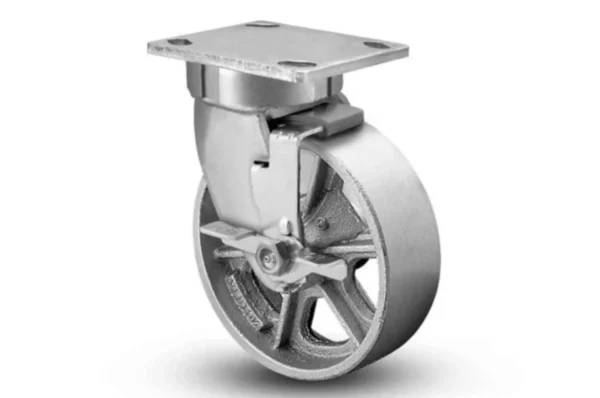
- Total lock brakes stop both wheel and swivel motion.
- Wheel-only brakes prevent rolling but allow swivel motion.
Even Furniture Casters benefit from brakes in high-traffic areas to avoid unintended movement.
4. Forgetting About Turning and Maneuvering Needs
Maneuverability is often underestimated.
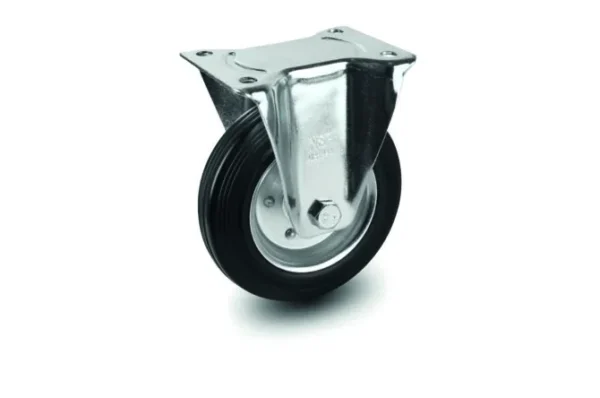
Rigid casters move straight but cannot pivot. Swivel casters allow turning but may compromise stability under heavy loads.
In tight spaces, swivel casters improve navigation, while rigid casters offer better control for straight-line movement.
Balancing stability and maneuverability is key for industrial and commercial applications.
5. Ignoring Environmental Challenges
Environmental conditions can dramatically affect caster performance. Heat, humidity, moisture, and chemical exposure can damage wheels and hardware. For outdoor or chemical-heavy environments, specific materials like coated steel or polyurethane are more reliable.
Ignoring environmental factors often leads to premature wear or failure. Evaluating conditions before purchasing ensures long-lasting performance.
6. Choosing Cheap Options Without Considering Longevity
Cost savings often tempt businesses to buy low-quality casters. Cheap casters may fail under moderate load, damage floors, or require frequent replacement. Investing in reliable heavy-duty caster wheels reduces long-term costs and avoids operational disruptions.
At Go Casters, we focus on durable solutions that perform consistently in industrial and commercial settings.
7. Skipping Maintenance Planning
Casters need maintenance to remain functional. Businesses sometimes select casters without planning for lubrication, cleaning, or inspection. Metal casters need periodic lubrication, while polyurethane or rubber wheels require cleaning to prevent debris buildup.
Without maintenance planning, caster life shortens and downtime increases. Low-maintenance, high-quality casters are ideal for busy warehouses or factories.
8. Overloading Casters Beyond Their Limits
Overloading is a common problem.
Casters must not exceed the manufacturer’s specified load capacity. Overloaded Heavy-Duty Casters can bend, break, or cause equipment tipping.
Always follow the load specifications for safety and reliability. Using fewer casters than recommended also increases risk and reduces mobility.
9. Relying on Unverified Suppliers
Not all casters are equal in quality or support. Purchasing from unreliable suppliers can result in poor durability, limited warranties, or no after-sales service. Go Casters ensures that all products meet strict quality standards and are adequately supported.
Working with a trusted supplier guarantees performance, reduces risk, and ensures access to technical assistance.
10. Failing to Test Before Full Deployment
Testing is a crucial step often skipped. A caster may look suitable but behave differently under real operating conditions, and a trial run allows you to evaluate stability, maneuverability, and braking effectiveness.
Testing prevents costly mistakes, downtime, and potential accidents. We recommend trialing casters in the actual working environment before scaling their use.
Real-Life Case Study: How the Right Choice Makes a Difference
A UAE-based logistics company purchased heavy-duty casters for warehouse trolleys.
Initially, they selected cheap wheels without brakes. Problems appeared immediately: trolleys were unstable, wheels wore quickly, and moving heavy loads became hazardous.
After consulting Go Casters, they switched to polyurethane swivel casters with total lock brakes.
Results included:
- Smoother movement
- Safer handling
- Reduced equipment damage
This shows how avoiding mistakes saves time, money, and effort.
Customer Testimonials
“We upgraded all our warehouse trolleys with Go Casters’ heavy-duty wheels. The movement is smooth, and the brakes work perfectly.” – Ahmed R., Logistics Manager
“Go Casters helped us select the best Caster Wheels in UAE for our factory. Efficiency and safety improved instantly.” – Fatima S., Operations Supervisor
“The asters recommended by Go Casters were perfect for our office. No scratches on floors and easy to move.” – Omar K., Facilities Manager
FAQs
Q: Can heavy-duty casters be used outdoors?
A: Yes. Choose materials like polyurethane or coated metal to resist weather and rough surfaces.
Q: How often should caster wheels be maintained?
A: Monthly checks for lubrication, wheel condition, and brakes are recommended for industrial use.
Q: Are swivel casters better than rigid casters?
A: Swivel casters improve maneuverability. Rigid casters offer stability. The choice depends on the layout and load.
Q: Can furniture caster wheels handle heavy loads?
A: Yes, some furniture caster wheels are heavy-duty, but always check the weight rating.
Invest in the Right Heavy-Duty Casters
Choosing the right Heavy-Duty Casters affects safety, efficiency, and equipment lifespan.
At Go Casters, we guide businesses to avoid these top 10 mistakes. From heavy-duty wheels to Furniture Caster wheels, we ensure the right fit for your load, environment, and workflow.
Proper selection, testing, and maintenance result in smoother operations and long-term savings. Investing in quality casters today protects your business tomorrow.