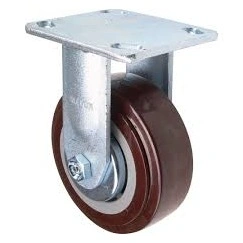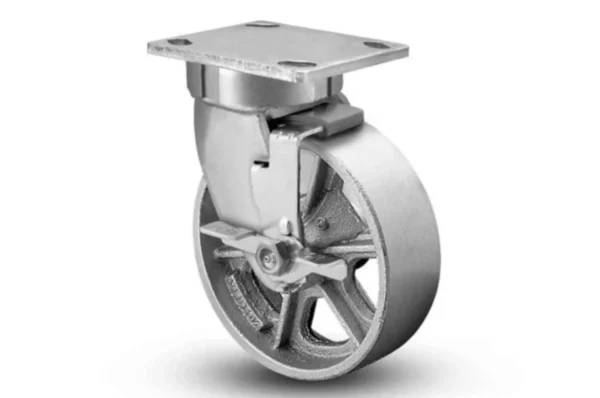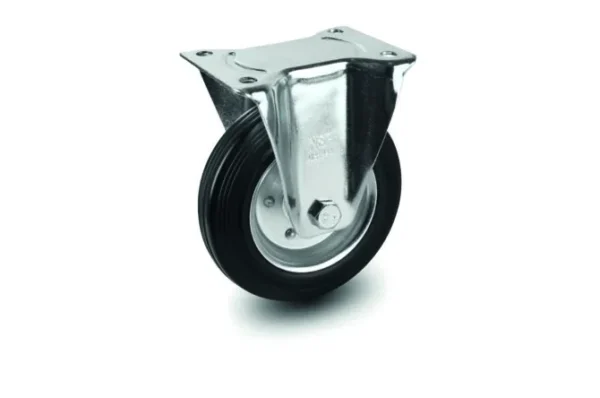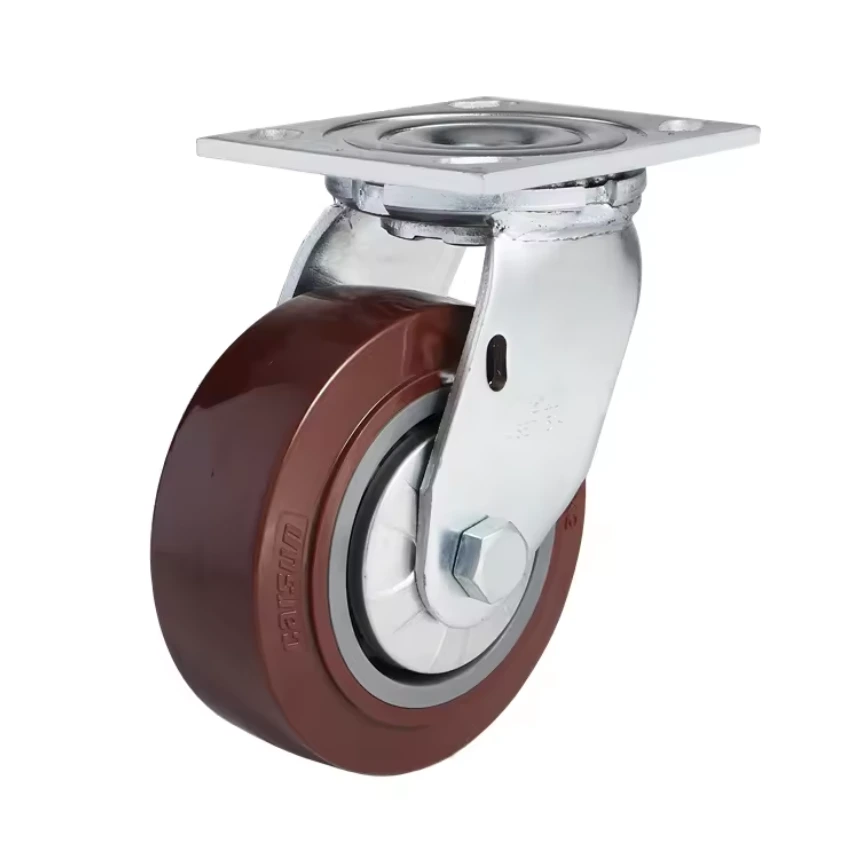
Mobility is the keyword in any workplace, no matter it is a warehouse, hospital, or workshop. Medium Duty Casters are perfect in terms of strength and maneuverability, giving durability for moderate loads and at the same time not compromising on ease. Medium-duty options are suitable for trolleys, workstations, and carts as a more reliable solution than light duty casters, which are for smaller equipment only. At Go Casters, we are committed to providing engineered solutions that optimize performance and lifespan for a range of operational requirements.
Understanding Medium Duty Casters
Medium duty casters are made to support reasonable weights and keep moving smoothly at the same time. These wheels are perfect for situations where the equipment is quite often moved but does not need the extreme strength of heavy-duty wheels. These casters are the all-rounders and are very good at performing their functions on different kinds of surfaces, such as industrial floors and office tiles, thus making mobility both consistent and safe.
The main advantage of these casters is their adaptability. They are strong enough for all the industrial tasks carried out daily, but at the same time, they are not too heavy and can therefore be used on small equipment where heavy-duty options would be overkill. Light Duty Casters are often used for smaller, less frequent items, but medium-duty ones are the mainstay of regular mobility.
Key Features to Consider
Load Capacity
Load capacity is critical when selecting casters. Medium-duty options can handle moderate weights, but it’s essential to calculate the total load, including the equipment and its contents. Dividing the total weight by the number of casters ensures each wheel is appropriately rated, preventing early wear or safety hazards.
Wheel Material
Wheel material affects durability, noise, and surface protection. Medium-duty casters are available in rubber, polyurethane, nylon, and phenolic wheels. Rubber provides quiet operation and shock absorption, while polyurethane ensures chemical resistance and longer wear life. Selecting the right material helps protect floors and improve overall operational efficiency.
Swivel vs Rigid Casters
Swivel casters allow for easy changes in direction, making them perfect for carts and mobile workstations. Rigid casters provide stability and precise straight-line movement. A combination of both types can be ideal, enhancing maneuverability without sacrificing control. Proper selection depends on the layout of your workspace and the equipment’s mobility requirements.
Bearing Quality
High-quality bearings, such as ball or roller bearings, reduce friction and ensure smooth rolling. They also extend the life of the casters and minimize operator effort. Go Casters equips its products with precision-engineered bearings to guarantee reliability and efficiency in any environment.
Applications of Medium Duty Casters
There are numerous places like warehouses, hospitals, offices, and workshops that extensively use these casters. They assist in the big industry’s smooth moving of storage racks, trolleys, and workstations. Besides, they are letting the medical environment move hospital beds, carts, and equipment quietly and in a controlled manner. Light-duty options may be sufficient for small furniture or items that are occasionally used, but medium-duty casters are perfect for constant or moderate loads.
Advantages Over Light Duty Casters
Medium-duty casters, as opposed to lighter alternatives, offer greater load capacity, greater durability, and larger wheels that facilitate easier movement over rough surfaces. In addition, they help the operator to be less tired and prevent floor damage, which often occurs with inadequate light-duty casters. Buying medium-duty casters is like an investment that guarantees long-term efficiency and reliability.
Maintenance Tips
To maximize caster life, regular maintenance is essential. Inspect wheels for wear, clean debris, lubricate bearings, and check mounting hardware. Avoid exceeding the recommended load capacity, and replace any damaged components promptly. Routine care reduces downtime, improves safety, and maintains smooth operation.
Choosing the Right Caster for Your Needs
Choosing the right caster involves considering multiple factors, including load requirements, wheel material, swivel or rigid design, and bearing type. Additionally, assessing the working environment — including floor type, temperature, and frequency of use- ensures the selection matches operational needs.
It is also important to consider the combination of medium-duty and light duty casters when designing mobile equipment. Some applications may benefit from a mixed setup, using medium-duty casters for main support and light-duty casters for maneuverability or specialized positions.
Conclusion
Choosing the correct Medium Duty Casters is essential for efficiently operating the business, ensuring safety, and extending equipment life. By thoughtfully considering the load capacity, material of the wheel, the quality of the bearing, and the swivel choices, the companies would be able to make certain that there is smooth and dependable movement throughout various places. Go Casters has to offer caster solutions that are expertly engineered, which include heavy and light-duty casters and are customized for the requirements of the modern industrial and commercial applications. The investment in the top casters now guarantees the same good performance, safer operations, and long-lasting reliability.