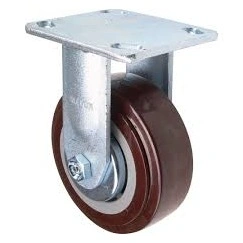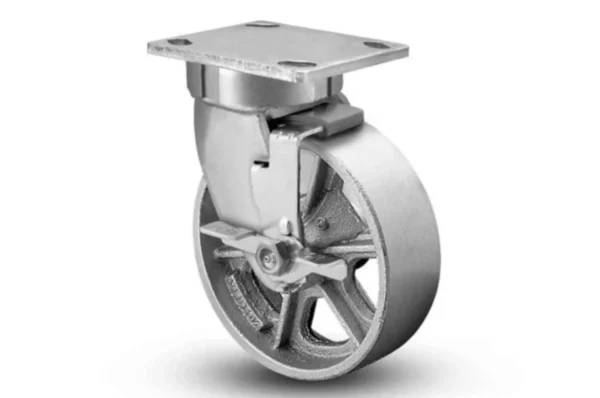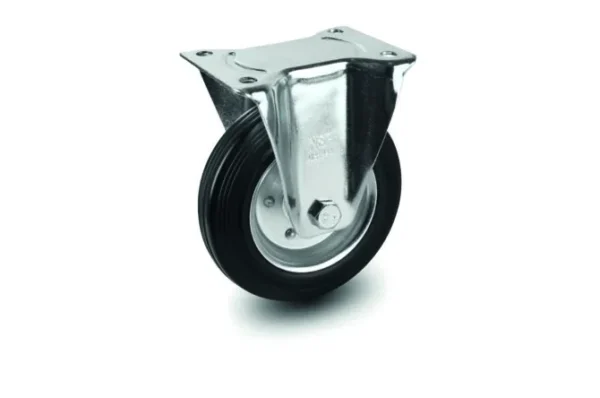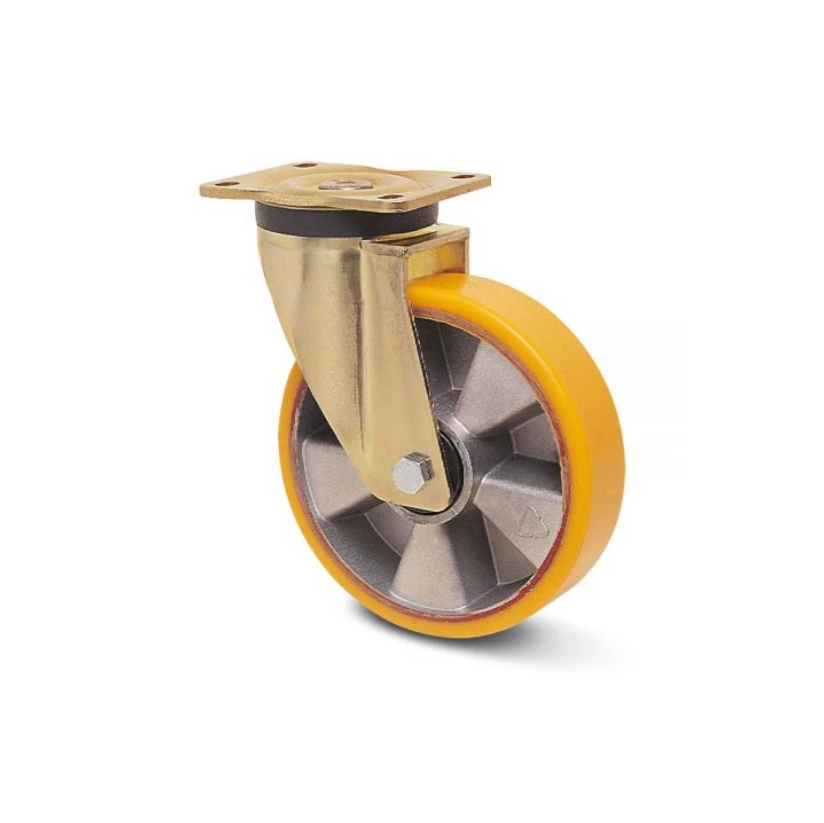
The managed movement is the primary factor in controlled industrial environments. It is not an option to have the ability to move heavy loads safely and quickly from the production floor to shipping areas, it is a requirement for the whole operation. Heavy-duty caster wheels are thus very important. These wheels are made with high load capability and at the same time, they keep directional stability. They are very important in the case of the equipment that has to be mobile and cannot compromise on safety and accuracy.
Unlike standard mobility solutions, industrial-grade casters are engineered for continuous use under stress. They support not only the weight of equipment but also the operational forces generated during movement, braking, and directional changes. Selecting the correct caster system directly affects workflow efficiency, employee safety, and equipment lifespan.
Why Load Control Matters in Industrial Settings
Heavy equipment movement introduces risks when not properly managed. Sudden shifts, uncontrolled rolling, or uneven load distribution can result in workplace incidents and operational delays. Heavy-duty caster wheels address these concerns by offering controlled movement designed for industrial load profiles.
Load control is not only about weight capacity. It includes resistance to deformation, smooth rotation under pressure, and structural integrity during repeated use. Facilities that rely on carts, platforms, or mobile machinery benefit from casters that perform consistently across long operational cycles without mechanical failure.
Engineering Considerations Behind Industrial Casters
The performance of heavy-duty caster wheels depends on several engineered factors. Wheel material selection, bearing type, axle strength, and mounting design all contribute to overall functionality. Polyurethane, steel, rubber, and composite materials each serve different operational needs depending on floor type and environmental conditions.
Bearing systems are particularly important in high-load applications. Bearings reduce friction, allowing equipment to move with minimal force even under heavy loads. This reduces strain on workers and improves handling accuracy, especially in confined industrial spaces.
Role of Bearing Technology in Load Mobility
In applications requiring frequent movement, bearing quality becomes a defining factor. Heavy duty ball bearing casters are specifically designed to support radial and axial loads while maintaining smooth rotation. Their internal structure distributes weight evenly, preventing excessive wear and reducing rolling resistance.
These casters are commonly used in manufacturing lines, assembly stations, and warehouse carts where repetitive motion is required. By minimizing friction, bearing-based systems improve maneuverability while extending service life under continuous operational stress.
Managing Uneven Surfaces and Outdoor Conditions
Not all industrial movement occurs on smooth factory floors. Outdoor yards, loading docks, and uneven surfaces introduce additional challenges. In such environments, shock absorption and surface adaptability become essential. Heavy duty pneumatic casters are designed to handle these conditions by using air-filled wheels that absorb impact and reduce vibration.
These casters are particularly useful when transporting fragile or sensitive equipment across rough terrain. The cushioning effect protects both the load and the equipment structure, reducing long-term maintenance requirements.
Application-Specific Mobility Planning
No two facilities have identical mobility requirements. Some operations prioritize straight-line stability, while others require tight turning radii. The strategic combination of fixed and swivel systems allows facilities to optimize movement paths without sacrificing control.
When integrated correctly, heavy-duty caster wheels support structured workflows by enabling predictable movement patterns. This improves spatial planning, reduces congestion, and enhances overall operational efficiency across departments.
Safety and Compliance in Industrial Mobility
Workplace safety regulations increasingly emphasize equipment stability and controlled movement. Improper mobility solutions can lead to compliance issues, injuries, or equipment damage. Industrial casters designed for high loads help mitigate these risks by ensuring controlled stopping, stable positioning, and predictable motion.
Facilities that implement well-engineered caster systems experience fewer handling-related incidents. This contributes to safer working conditions and supports compliance with internal safety standards and industry regulations.
Durability and Lifecycle Performance
Durability is not measured only by how much weight a caster can carry once—it is defined by how it performs over time. Industrial operations demand components that withstand repeated cycles, environmental exposure, and mechanical stress without degradation.
This is why many facilities rely on solutions from Go Casters, where industrial-grade casters are selected based on lifecycle performance rather than short-term capacity ratings. Long-term reliability reduces downtime and maintenance costs across operations.
Selecting the Right Caster Configuration
Choosing between different caster types requires a clear understanding of operational demands. For smooth indoor environments with frequent movement, heavy duty ball bearing casters offer efficiency and control. For outdoor or uneven surfaces, heavy duty pneumatic casters provide stability and shock absorption.
Matching caster design to operational reality ensures that mobility enhances productivity rather than creating bottlenecks. The correct configuration supports both equipment protection and workforce efficiency.
Conclusion: Mobility as an Operational Advantage
Industrial mobility refers to the ability and movement of control, safety, and efficiency. When correctly implemented, heavy-duty caster wheels become a strategic asset rather than a basic component. They facilitate the smooth flow of work, safer surroundings, and reliability in operations for a long time.
Facilities that invest time in understanding load dynamics, surface conditions, and movement patterns are better positioned to select caster systems that support their goals. With the right approach, mobility becomes an advantage that strengthens daily operations rather than a challenge to manage.