At our core, mobility is treated as an engineering decision, not a convenience feature. Furniture Casters are selected and designed with the understanding that movement affects safety, efficiency, and long-term durability. Every environment places different demands on furniture, and our role is to ensure that mobility supports daily operations rather than disrupting them.
Instead of focusing on quick fixes, attention stays on how furniture behaves over time. Weight distribution, surface interaction, and frequency of movement all matter. When these factors are respected, mobility becomes controlled and predictable, allowing spaces to adapt without creating wear, noise, or risk.
Designing for Practical Movement
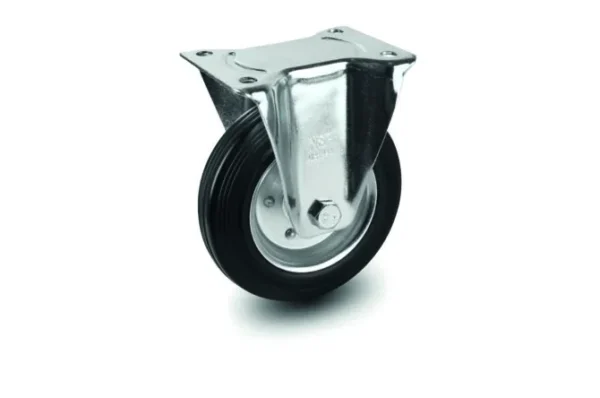
In real-world environments, furniture rarely stays in one place forever. Offices evolve, healthcare spaces change layouts, and workstations are frequently adjusted. Furniture Casters are intended to make these transitions smooth, reducing the need for lifting or dragging that can strain people and damage floors.
Movement should not feel forced. When you correctly match casters to the furniture they support, rolling becomes natural and stable.This reduces resistance, prevents sudden shifts, and allows users to reposition items confidently, even in tight or shared spaces.
Load Awareness and Structural Balance
One of the most important considerations in caster selection is understanding true load requirements. Furniture weight is rarely static—contents, equipment, and daily use add stress that must be accounted for. Stability depends on how evenly that weight is distributed across the wheels.
Properly rated Furniture Casters help maintain balance and alignment. This approach prevents uneven wear and minimizes the risk of tipping or frame distortion. Over time, consistent support protects both the furniture structure and the surface beneath it.
Material Choices That Influence Performance
Wheel material plays a significant role in how furniture behaves during movement. Softer materials help absorb vibration and protect flooring, while harder compounds handle higher loads and resist deformation. The right balance depends on the environment and usage pattern.
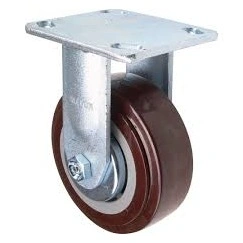
For applications involving large cabinets or storage units, wheels for heavy furniture are often necessary to maintain control without marking floors. These solutions prioritize smooth rolling and surface protection, ensuring furniture can move when needed without causing long-term damage.
Directional Control and Braking for Predictable Movement
Mobility is not only about rolling—it is also about stopping and steering. Some layouts require straight-line movement, while others demand flexibility in tight spaces. Combining different caster configurations allows furniture to move efficiently while staying predictable.
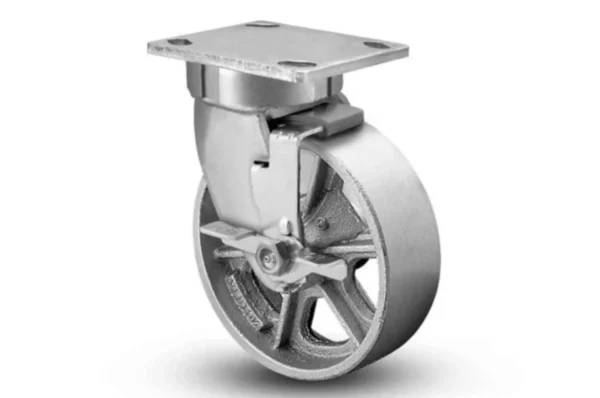
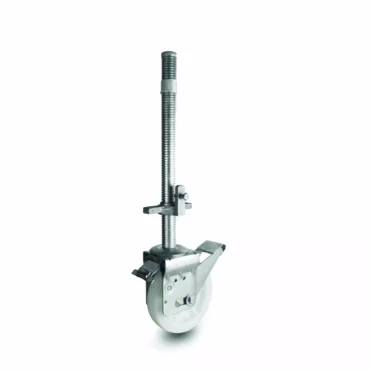
Braking mechanisms are essential where stability is critical. Locking systems prevent drift and unintended motion, especially in environments where safety and precision matter. Choosing the right casters keeps furniture secure when stationary and responsive during movement.
Industrial and High-Load Environments
In heavier applications, mobility systems must handle constant movement under load. Workshops, storage facilities, and service areas rely on durable solutions that perform consistently. In these settings, heavy duty trolley wheels support equipment that needs to move reliably without compromising structural integrity.
These environments highlight why mobility must be planned as part of the overall system. Casters that perform well under load reduce operational strain and help maintain steady workflows, even during frequent repositioning.
Floor Protection and Long-Term Care
Flooring is often overlooked when mobility solutions are chosen. In reality, poor wheel selection can lead to scratches, dents, and uneven wear that accumulate quickly. Casters with appropriate tread materials distribute pressure evenly, preserving the condition of floors over time.
Equipment benefits as well. Smooth rolling reduces vibration and stress on joints and fasteners, extending the usable life of furniture. This balance between movement and protection lowers maintenance costs and keeps interiors looking professional.
Consistency Through Maintenance
Even well-designed mobility systems require periodic checks. Dust buildup, loose hardware, or worn components can affect performance if ignored. Simple maintenance routines—cleaning wheels and inspecting fasteners—help ensure continued reliability.
Organizations that treat mobility components as part of their infrastructure experience fewer disruptions. Regular attention keeps furniture responsive and reduces the risk of sudden failures during daily use.
A System-Based Approach to Selection
Choosing the right caster setup involves more than load ratings. Frequency of movement, surface type, distance traveled, and user interaction all influence performance. Lightweight furniture may need flexibility, while heavier items demand reinforced designs.
At Go Casters, solutions are developed by evaluating how furniture is actually used, not just how it looks on paper. This practical approach ensures that Furniture Casters contribute to stability, efficiency, and long-term usability across different environments.
Mobility for Adaptable, Secure Spaces
Modern spaces demand flexibility without sacrificing safety. Thoughtfully selected mobility systems allow furniture to adapt as needs change, whether for cleaning, reconfiguration, or operational shifts. When movement is smooth and controlled, spaces remain functional and comfortable.
For heavier applications, wheels for heavy furniture and heavy duty trolley wheels ensure that adaptability does not come at the cost of durability. These solutions support controlled motion while maintaining balance under load.
Conclusion
Reliable mobility is the result of careful planning and realistic design choices. When furniture moves predictably and safely, environments become easier to manage and more efficient to operate. Investing in the right Furniture Casters helps protect people, floors, and equipment while supporting long-term flexibility.
Focusing on engineered mobility keeps furniture stable when stationary and responsive during movement. This balance is what allows spaces to evolve smoothly without compromising safety or performance.