In environments where heat is constant, ordinary wheels fail quickly. Industrial ovens, kilns, metalworking lines, and thermal processing facilities demand components that tolerate elevated temperatures while maintaining safe, predictable motion. High Temperature Casters are engineered for those conditions: they use heat-resistant materials, specialized bearings, and mounting systems that keep trolleys and equipment mobile when ordinary caster designs would seize or deform.
At Go Casters, we’ve seen how specifying the right wheel can prevent costly downtime and reduce maintenance cycles. Selecting the proper high-temperature solution early in a project saves operations from repeated replacements and unplanned stoppages.
What Makes a Caster “High Temperature”?
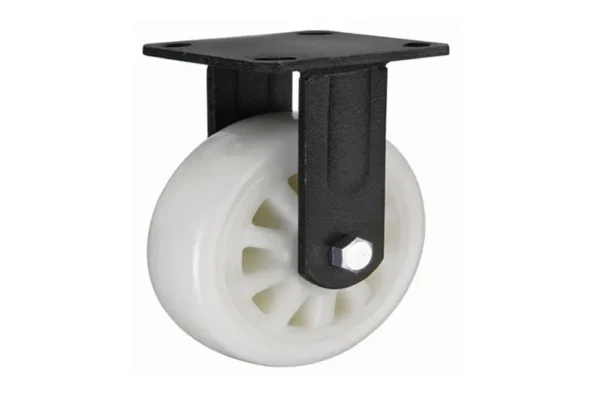
A caster becomes suitable for high heat through three core attributes: the wheel material, the bearing and hub design, and the mounting hardware. Typical wheel compounds for these applications include phenolic resins, ceramic composites, and high-temperature polyurethane variants that are formulated to resist softening above normal operating ranges. Steel and cast iron cores are used where structural strength is necessary, sometimes combined with heat-stable tread materials to improve traction while resisting thermal degradation.
Bearings and swivel assemblies are equally important. Standard lubricants and seals will break down at elevated temperatures; high temperature casters instead use heat-tolerant lubricants, ceramic or stainless steel bearings, and open or specially sealed bearing arrangements that tolerate thermal cycling without seizing.
Typical Applications And Why Standard Casters Fail
Facilities that involve drying ovens, annealing, tempering, or continuous baking expose wheels to sustained heat and occasional thermal shocks. Regular casters often melt, crack, or lose load capacity in these conditions. In contrast, High Temperature Casters are specified for conveyor carts, oven racks, and mobile platforms in industries such as ceramics, glass, metal finishing, and commercial baking, where consistent operation at elevated temperatures is normal.
Another common requirement is chemical resistance. In food processing or chemical plants, heat plus aggressive cleaning agents means the caster must resist both temperature and corrosive environments. Material selection becomes a twofold exercise: choose compounds that retain mechanical properties at temperature and resist chemical attack.
Design Trade-offs And Performance Priorities
Designing for heat resistance involves trade-offs. Extremely hard materials like ceramic resist temperature but can be brittle under impact. Phenolic wheels handle sustained heat well and resist flat-spotting, yet they may transmit more vibration than softer compounds. Engineers balance load capacity, shock absorption, noise, and thermal endurance when specifying High Temperature Casters.
For heavy loads, a reinforced steel hub with a high-temperature tread often makes sense. For mobile, human-pushed carts entering and exiting ovens, a lighter phenolic wheel with a forgiving roll resistance may be preferable. Understanding the workflow and duty cycle is essential to hit the performance sweet spot.
Bearings, Lubrication, and Swivel Assemblies
One of the most frequent failure points in high-temperature applications is the bearing. Standard ball bearings with conventional grease will fail when temperatures exceed the lubricant’s rating. Solutions include the use of ceramic bearings, solid lubricants, or specialty high-temperature greases. Some designs use open bearings with heat-resistant bronze bushings that tolerate thermal expansion better than sealed roller bearings.
Swivel assemblies also must account for thermal growth. Hardened raceways, increased clearances, and materials that expand predictably reduce the risk of binding after repeated heating and cooling cycles. When mobility and rotation are required under heat, these engineering refinements make the difference between frequent maintenance and long service life.
When To Specify Casters Heavy Duty Vs. Special High-Temperature Options
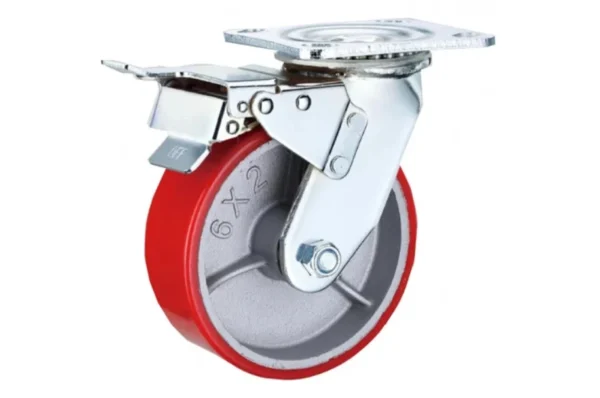
Many plants default to generic heavy models thinking strength equals durability. However, casters heavy duty without heat consideration can still fail quickly under thermal stress. It’s important to distinguish load needs from environmental needs. When both heavy loads and high temperatures are present, the equipment specification should call for robust structural components plus heat-tolerant treads and bearings.
There are also hybrid choices: heavy steel caster frames combined with a phenolic or ceramic tread and high-temperature bearings. These hybrid assemblies satisfy structural requirements while addressing the thermal and wear challenges unique to heat-exposed workflows.
Pneumatic Options For Extreme Environments
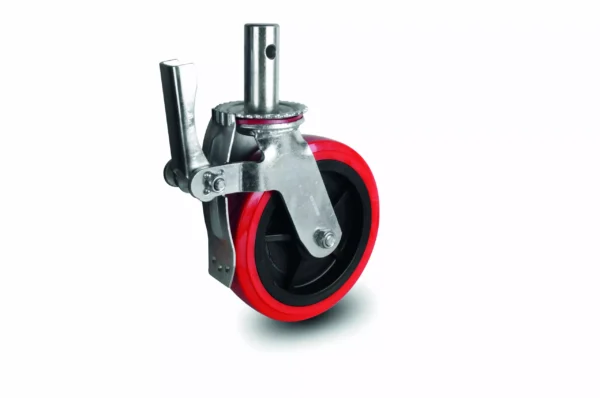
In some applications where floor irregularities and shock loading are significant, air-filled or foam-filled wheels are preferred for their cushioning. For high-temperature contexts, designers can select heavy duty pneumatic casters built with heat-resistant materials and high-temperature inner tubes or elastomers. These specialized pneumatic solutions offer vibration isolation while surviving elevated temperatures that would destroy ordinary air-filled wheels.
Pneumatic casters tailored for heat combine a resilient ride with appropriate heat ratings for the tire compounds and rims. They are especially useful when equipment must transit between cool storage areas and heated processing zones, smoothing the transition while protecting fragile loads.
Maintenance Practices That Extend Service Life
Even the best High Temperature Casters benefit from a disciplined maintenance routine. Regular inspection for heat-related cracking, tread hardening, or bearing discoloration allows early intervention before failure. Cleaning protocols should use chemicals compatible with the wheel compound to avoid accelerated degradation.
Lubrication schedules for high-temp bearings differ from standard bearings: use manufacturer-recommended high-temperature greases and verify clearance after several heat cycles. For swivel assemblies, ensure that dust and process residues are removed to prevent abrasive wear that compounds thermal effects.
Specifying Wheels For Procurement And Risk Reduction
When procuring wheels for heat-exposed equipment, document the expected maximum continuous temperature, peak or transient temperatures, load ranges, and exposure to chemicals. Ask for material data sheets and test reports that demonstrate performance under thermal cycling. A well-written specification reduces surprises and protects uptime.
At Go Casters, we work with clients to translate operational parameters into a robust wheel selection. Early collaboration between operations, maintenance, and procurement ensures that the chosen High Temperature Casters meet real-world demands and reduce lifecycle costs.
Conclusion
In heated industrial contexts, mobility depends on more than load rating. High Temperature Casters combine suitable wheel compounds, engineered bearings, and robust frames to deliver safe movement where ordinary wheels fail. For operations that need both strength and environmental resilience, pairing the right materials with the correct installation and maintenance practices yields reliable performance.
When both demanding heat and on-the-move loads are present, consider options from heavy structural frames to specialized heavy duty pneumatic casters that preserve ride quality. With informed specification and periodic maintenance, these caster systems transform harsh thermal zones into reliably mobile work areas—exactly the outcome Go Casters aims to achieve through application-specific engineering and support.