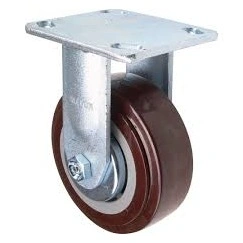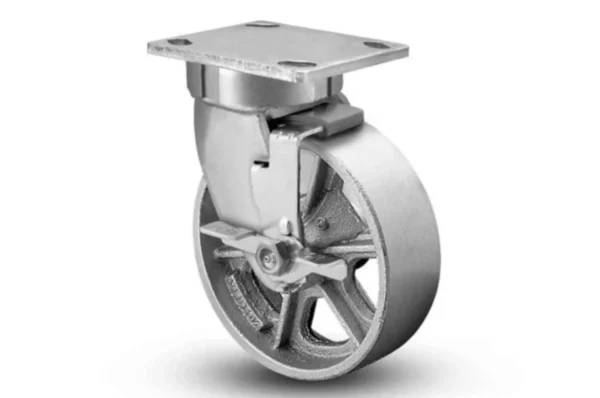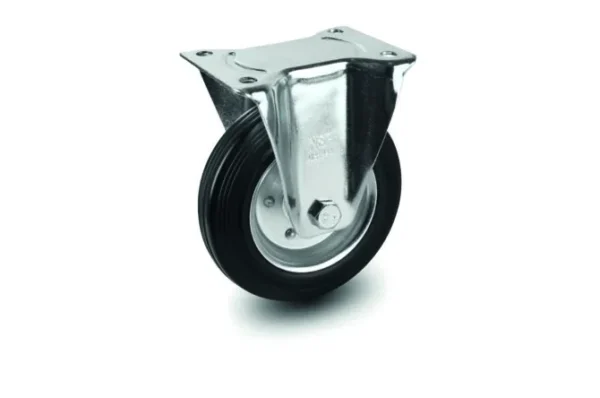
In industrial and operational environments, movement is rarely optional—it is a constant requirement. The repositioning of equipment, materials, and structures has to be done safely and efficiently, often with heavy loads and in difficult conditions. Here, heavy duty wheels for carts come into action and perform a critical function. They are not just accessories; they are support parts that directly affect safety, productivity, and the life span of the machinery.
Industrial wheels are designed to perform consistently under pressure, unlike light-duty wheels used in commercial or domestic settings. Whether supporting carts, pallet trucks, or scaffolding systems, the right wheel selection reduces strain on workers, minimizes floor damage, and ensures predictable movement in controlled environments.
Understanding Load and Movement Requirements
Before selecting any wheel system, it is essential to understand how weight, frequency of movement, and surface conditions interact. Heavy duty wheels for carts are typically required in environments where loads are uneven, movement is repetitive, or stopping precision is necessary. In such cases, wheel failure is not just inconvenient—it can disrupt operations or create safety hazards.
Calculate the load capacity per wheel at all times, not just per unit. Engineers frequently incorporate a safety margin to compensate for dynamic loads, turning forces, and uneven flooring. How weight is distributed and how easily the equipment moves are all affected by wheel diameter, tread material, and bearing type.
Material and Construction Considerations
Industrial wheels are manufactured using materials selected for specific conditions. Polyurethane treads provide shock absorption and protect flooring, while nylon and cast iron options handle higher static loads. The internal structure of heavy duty wheels for carts must resist deformation under constant stress, especially in facilities operating around the clock.
Bearing choice is equally important. Precision ball bearings allow smoother rolling under load, while roller bearings offer increased strength for slow, heavy movement. Selecting the wrong bearing can lead to vibration, drag, or premature wear.
Role of Pallet Truck Wheels in Material Handling
In warehouses and logistics centers, pallet trucks are essential for short-distance transport. Pallet Truck Wheels are specifically engineered to handle concentrated loads while maintaining directional stability. These wheels must perform reliably across concrete surfaces, dock plates, and transitional flooring without flattening or cracking.
Wheel material selection for pallet trucks often depends on load type and floor condition. Softer treads reduce noise and vibration, while harder compounds improve durability under high weight. When properly selected, Pallet Truck Wheels improve maneuverability and reduce operator fatigue, contributing to safer and more efficient material handling.
Mobility Challenges in Elevated Work Systems
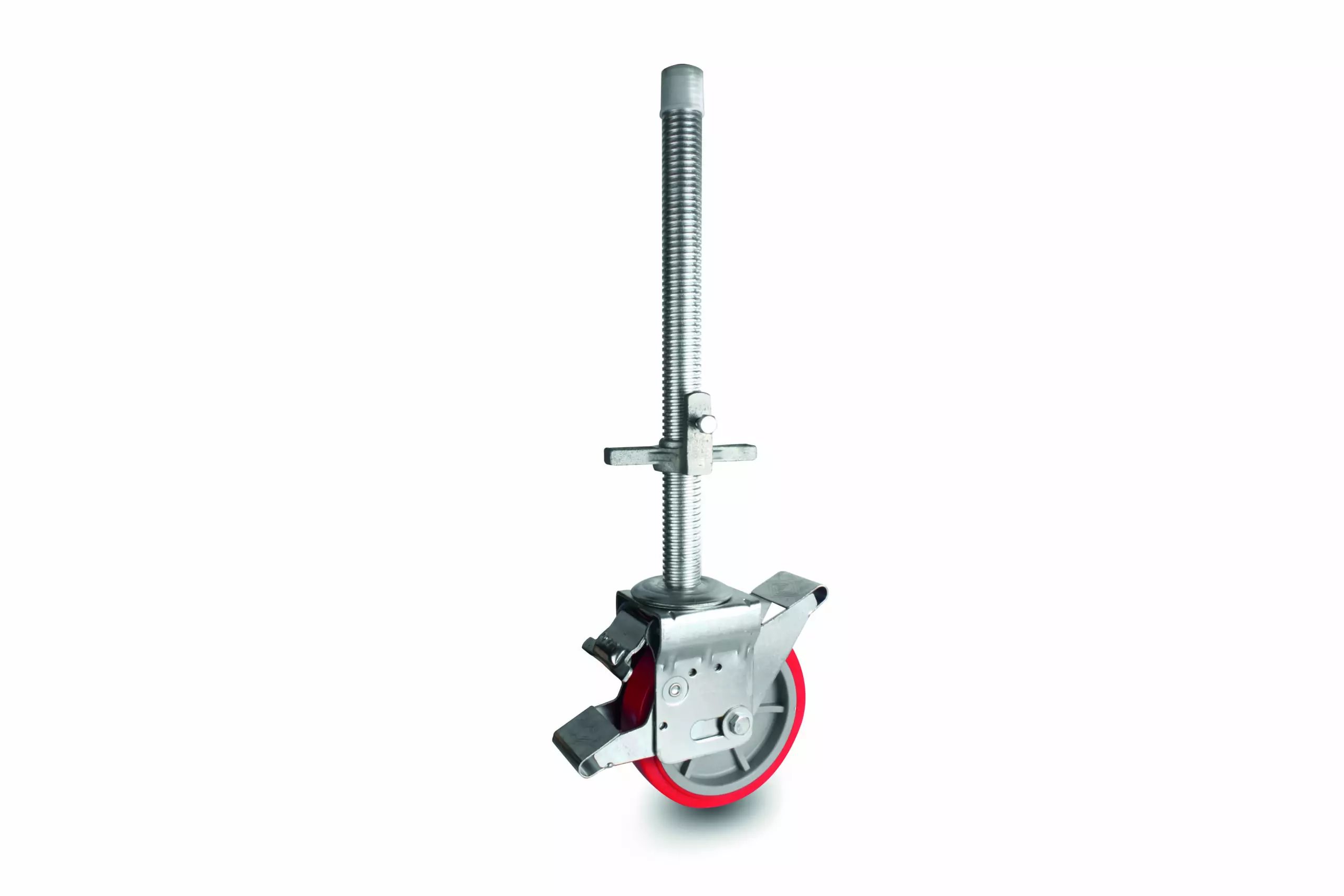
Scaffolding systems introduce a different set of requirements. Stability is as important as movement, especially when elevating structures or using them on uneven surfaces. Scaffolding Wheels are designed to support vertical loads while providing controlled mobility during positioning.
Locking mechanisms are critical in these applications. Once scaffolding is in place, wheels must remain completely stationary to ensure worker safety. High-quality Scaffolding Wheels incorporate dual-lock systems that secure both rotation and swivel motion, preventing unintended movement during use.
Environmental and Surface Factors
Operational environments vary widely. Some facilities deal with moisture, dust, chemicals, or temperature fluctuations. Others operate across mixed surfaces such as epoxy floors, concrete, or steel decking. Heavy duty wheels for carts must be compatible with these conditions to maintain consistent performance.
Wheel tread composition affects traction and resistance to environmental exposure. In high-moisture areas, corrosion-resistant components extend service life. In clean environments such as laboratories or food processing facilities, non-marking treads help maintain compliance and cleanliness standards.
Maintenance and Lifecycle Planning
If businesses properly maintain industrial wheels, they consider them long-term assets. Regular inspections can detect the formation of wear patterns, flat spots, or bearing problems before they lead to a complete failure. Preventive maintenance programs commonly include lubrication schedules and load audits as integral parts.
Selecting standardized wheel sizes and mounting configurations simplifies replacement and reduces downtime. Facilities that plan for lifecycle management rather than reactive replacement benefit from improved operational continuity and lower total cost of ownership.
Mobility as a Complete Mechanical System
Wheel selection should never be isolated from the equipment it supports. Engineers often evaluate mobility as a system, considering frame rigidity, load distribution, braking requirements, and operator interaction. Heavy duty wheels for carts function best when integrated into well-designed support structures that minimize torsion and uneven stress.
This systems-based approach improves predictability and reduces unexpected failures, particularly in high-throughput environments where movement is constant and time-sensitive.
Engineering-Driven Mobility Solutions
At Go Casters, mobility solutions are approached from an engineering and application standpoint rather than a sales-driven one. To ensure consistent performance across industrial applications, engineers select wheel systems based on load data, environmental exposure, and usage patterns.
From carts and pallet trucks to scaffolding and specialized equipment, the focus remains on durability, safety, and operational efficiency rather than short-term convenience.
Conclusion
The components that are the most reliable in real-life conditions are the ones on which industrial mobility stands. The right wheels not only allow for movement but also provide safety, increase productivity, and prolong the life of the equipment. It is vital to know how wheels function with load and the environment when handling carts, pallet handling systems, or even elevated structures.
By investing in well-engineered mobility solutions and maintaining them correctly, operations can reduce risk, improve workflow, and ensure consistent performance across demanding applications.