In modern industrial and commercial environments, moving heavy equipment safely and efficiently is crucial for productivity and workplace safety. One of the most reliable solutions for this challenge is the use of heavy-duty casters. Designed to handle significant weight, these wheels allow machinery, carts, and storage units to move effortlessly without compromising stability or safety. Choosing the right type of caster can dramatically improve operations, reduce labor strain, and extend the life of both equipment and floors.
Understanding Heavy-Duty Casters
Heavy duty casters are designed to handle heavy loads while providing smooth operational movement. These wheels differ from standard ones by using durable materials like reinforced steel, polyurethane, and high-strength rubber for various industrial and commercial applications. Casters boost business efficiency by reducing friction, distributing weight, and safeguarding floors and equipment.
The robust design of their products is essential for equipment movement over both short and long distances. The wheels function as essential components that maintain operational efficiency from warehouses and factories to hospitals and large retail stores.
Types of Heavy-Duty Casters
Industrial wheel selection requires users to understand the available wheel options. Different caster types provide distinct operational characteristics which make them suitable for specific work tasks.
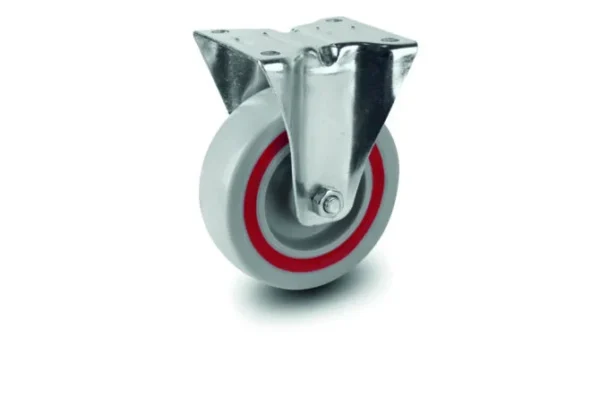
- Rigid Casters: These wheels move in a straight line and their design makes them suitable for applications that need to maintain stability throughout extended distances. The fixed design of these wheels enables them to maintain heavy loads in place which makes them suitable for use in assembly lines and for equipment that requires temporary relocation.
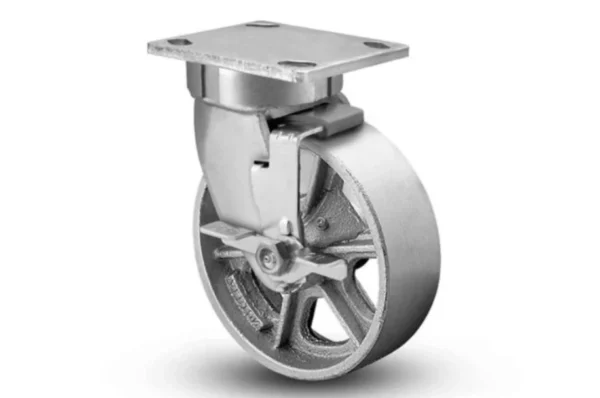
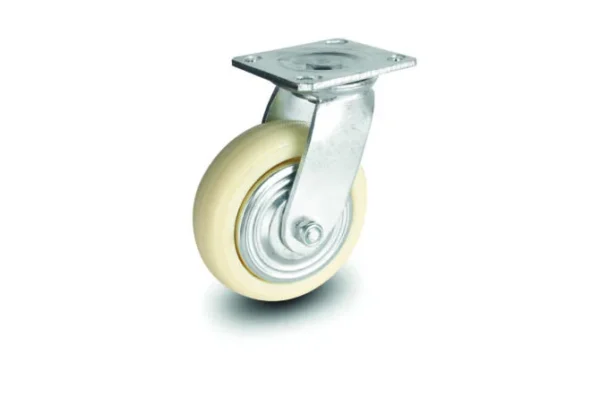
- Swivel Casters: Offering 360-degree rotation, these casters allow for maximum maneuverability in tight spaces. For heavier applications where agility is necessary, heavy duty swivel casters provide the perfect balance between load-bearing capacity and directional flexibility.
- Ball Bearing Casters: For equipment that needs to move smoothly with minimal effort, heavy duty ball bearing casters are the ideal choice. They reduce friction and make transporting even the heaviest machinery easier, while also minimizing wear on both the caster and the floor surface.
Understanding the differences between these types allows businesses to select the most appropriate solution for their operational needs.
Key Features to Consider
When investing in industrial wheels, several critical factors must be taken into account:
- Load Capacity: Ensure the caster can handle the maximum weight of the equipment, including any additional safety margin.
- Material: The right material can make a difference in performance and durability. Options include stainless steel for corrosive environments, reinforced polyurethane for heavy loads, or rubber for floor protection and noise reduction.
- Mounting Style: Depending on your equipment, you may need a top plate mount or a stem mount. Proper mounting ensures stability and extends the life of the caster.
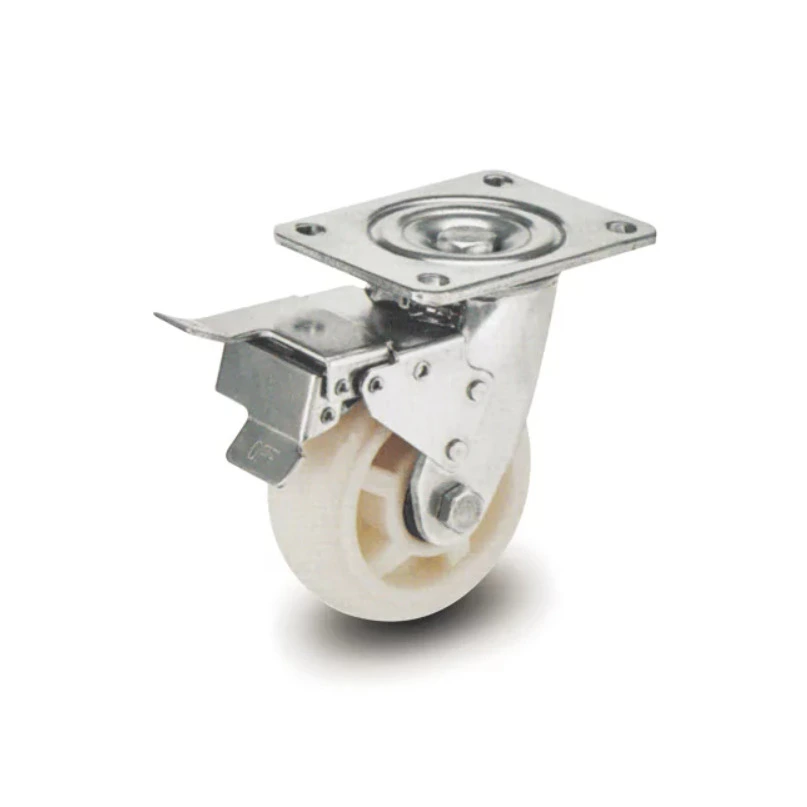
- Brakes: Some casters come with integrated brakes to lock wheels in place. This feature is particularly useful for mobile workstations or equipment that must remain stationary at times.
- Floor Compatibility: Consider the type of surface the caster will roll on. Smooth floors, rough concrete, or uneven surfaces each require different wheel compositions to prevent damage and ensure mobility.
Careful evaluation of these features ensures that the chosen casters provide reliable, long-term performance and prevent unnecessary maintenance or replacement costs.
Benefits of Heavy Duty Casters
Investing in high-quality industrial wheels delivers multiple advantages for businesses:
- Enhanced Safety: By providing stable and controlled movement, these casters reduce the risk of accidents caused by unsteady equipment.
- Improved Efficiency: Workers can move equipment with less effort, which increases productivity and reduces fatigue.
- Durability: Heavy-duty construction ensures that the casters withstand repeated use over time without breaking down.
- Floor Protection: Many heavy-duty casters include features that reduce stress on flooring, preventing scratches and other damage that can be costly to repair.
- Versatility: With multiple designs and materials, these casters can be adapted to virtually any industrial, commercial, or medical setting.
Applications Across Industries
Heavy-duty casters are used in a variety of environments, including:
- Manufacturing Facilities: Moving machinery, production equipment, and storage racks efficiently across the shop floor.
- Warehousing and Logistics: Handling pallets, inventory carts, and mobile shelving units with minimal effort.
- Healthcare: Transporting hospital beds, medical equipment, and supply carts safely within hospitals or clinics.
- Retail: Supporting mobile displays, racks, and large stock units for flexible store layouts.
- Food Service: Assisting with large kitchen equipment or mobile serving carts in commercial kitchens and catering setups.
In each of these applications, selecting the right caster ensures safe, efficient, and smooth movement.
How to Maintain Industrial Casters
Your heavy duty casters need regular maintenance to reach their maximum performance capabilities. The operation of the system requires three tasks which include checking for wear, cleaning wheel debris and applying lubrication to all moving components. The regular inspection of mounting hardware brings two major benefits which include accident prevention and extended caster lifespan. Equipment and personnel safety depends on proper maintenance because all wheels will experience performance decline without it.
Conclusion
Reliable industrial mobility is achievable with the right caster solutions. Heavy duty casters are typically super durable and offer greater stability to carry heavy loads of equipment across most of the industries. For specialized needs, options like heavy duty ball bearing casters provide smooth movement for frequently relocated equipment, while heavy duty swivel casters ensure maximum maneuverability in tight spaces.
Investing in quality casters not only improves operational efficiency but also enhances workplace safety and extends the lifespan of equipment. The selection process for casters requires you to concentrate on material design, load capacity and maintenance because these factors determine the long-term value of your investment. For businesses looking to streamline operations and reduce physical strain, high-quality industrial wheels are an essential component of everyday workflow.