Mobility solutions play a significant role in the industrial operations of the UAE and are widely used at every stage of the process such as warehouses, manufacturing plants, etc., to facilitate seamless working Flow. The movement of equipment is both safe and efficient. Rigid casters in UAE among the various types of casters, are typically selected for their stability, durability, and predictable movement patterns.
Rigid casters are different from swivel casters as they are fixed in one direction. This gives straight-line control, which is very helpful for heavy equipment or carts that need to be tracked consistently. Facilities with long aisles or designated pathways usually employ rigid casters to mitigate the risk of accidents and boost operational efficiency. For managers and operators, the knowledge of the properties and benefits of these casters is essential for making good decisions.
Why Rigid Casters Are Critical for Industrial Settings
One of the main reasons facilities rely on rigid casters in UAE is stability. Fixed-direction wheels help maintain equipment alignment and prevent unwanted lateral movement. This makes them ideal for warehouses, assembly lines, and storage systems where precision is important.
Moreover, compared to swivel versions, rigid casters tend to have a simpler mechanical design with fewer parts. Thus, they will be subjected to less stress from the mechanical aspect of the process over the years, and eventually their lifespan will be longer. In addition to the proper wheel materials, rigid casters will not give in to performance when used frequently on concrete, epoxy, and other industrial floorings.
Load Capacity and Choosing the Right Size
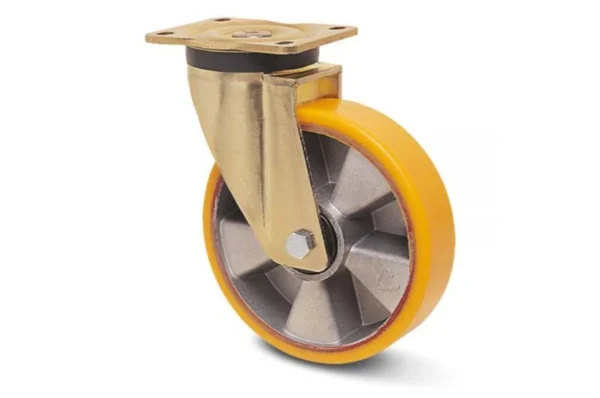
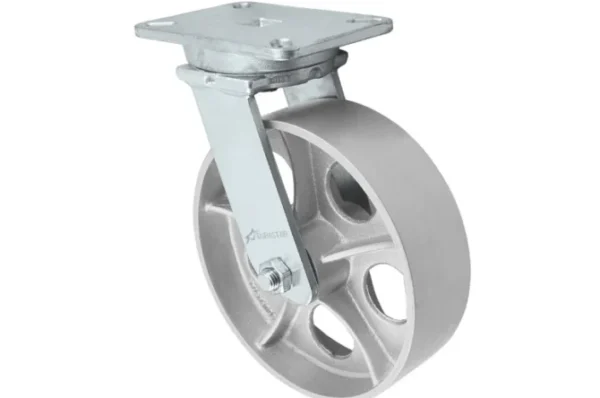
Selecting the appropriate caster involves evaluating load requirements. Equipment weight, load distribution, and daily movement frequency all impact caster performance. Heavy-duty casters in UAE are often paired with rigid designs when high-load applications are involved. These casters are engineered to support substantial weight while maintaining structural integrity, ensuring safe and stable movement.
Wheel size, diameter, and bearing type also play a crucial role. Larger wheels roll more easily over obstacles and uneven surfaces, while high-quality bearings reduce rolling resistance. Using heavy-duty caster wheels in combination with rigid frames ensures that heavy equipment can move predictably without undue stress on either the wheel or the floor.
Floor Conditions and Operational Environments
Industrial floors vary widely, from smooth polished concrete to rough or textured surfaces. Rigid casters are particularly valuable in environments where consistent straight-line movement is needed. By limiting rotation, they reduce wear and stress caused by lateral forces. Facilities that prioritize alignment and controlled movement frequently specify rigid casters in UAE for this reason.
Moreover, environmental factors such as moisture, dust, and temperature can affect caster performance. Selecting wheels made from durable materials, such as polyurethane or rubber, helps protect both the floor and the equipment. This approach minimizes maintenance requirements and ensures that operations continue without interruption.
Combining Rigid and Swivel Casters
While rigid casters provide stability, they can be less maneuverable in tight spaces. Many facilities adopt a hybrid approach, placing rigid casters on one end of a cart or platform and swivel casters on the other. This configuration maintains straight-line control while allowing the equipment to turn when needed.
Using rigid casters strategically in combination with swivels improves overall operational efficiency. Guide the equipment smoothly along designated pathways while maintaining maneuverability in confined areas. This setup is commonly found in warehouses, production facilities, and logistics centers where both stability and flexibility are required.
Durability and Long-Term Performance
Longevity is a key consideration when selecting industrial casters. Operations that require continuous movement demand components that can withstand wear and tear over time. Heavy-duty casters in UAE are engineered for this purpose, supporting heavy loads while resisting deformation or mechanical failure.
Pairing rigid casters with heavy-duty caster wheels ensures maximum performance. These wheels typically feature reinforced cores, durable treads, and precision bearings to handle repetitive movement without compromising stability. Choosing high-quality components reduces downtime, maintenance costs, and operational risk.
Designing a Safe and Efficient Caster System
Casters are integral to workplace safety. Equipment that shifts unpredictably or fails under load can lead to accidents. By using rigid casters with appropriate load ratings and materials, facilities can minimize risks associated with heavy equipment movement.
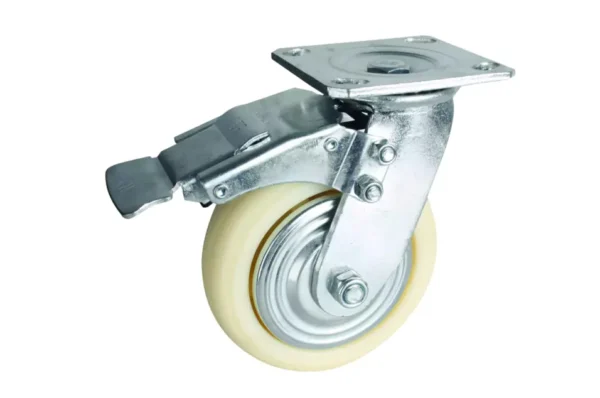
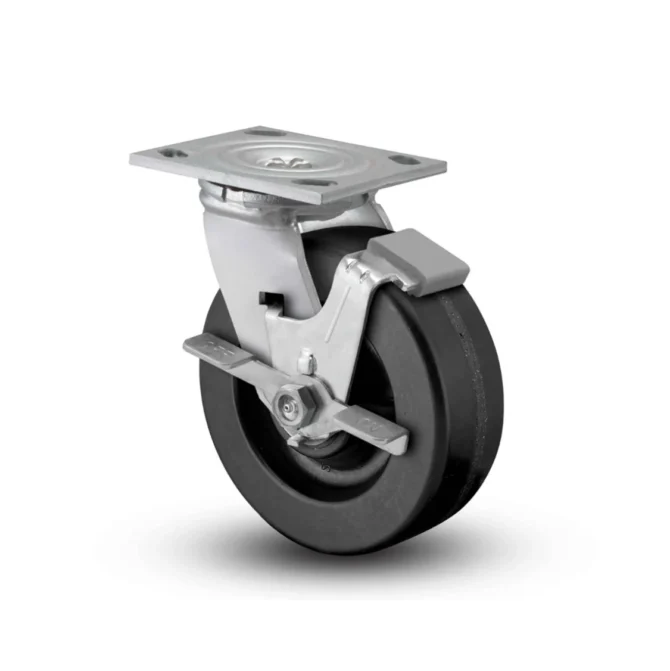
In addition to load capacity, selecting the right wheel material is important. Rubber wheels absorb shocks and protect floors, while polyurethane or nylon options provide durability on rough surfaces. Implementing a properly designed caster system ensures that employees can move carts and equipment safely and efficiently.
Applications of Rigid Casters in UAE
Industrial, commercial, and healthcare facilities widely use rigid casters. In warehouses, they are ideal for storage racks, trolleys, and long conveyor carts. Manufacturing plants use rigid casters to support machinery platforms, tool carts, and mobile workstations. Even in hospitals and laboratories, rigid casters provide reliable movement for heavy equipment while maintaining alignment in corridors.
The predictable performance of rigid casters in UAE makes them a practical choice for environments where straight-line control, load capacity, and durability are critical. These casters simplify workflows, reduce strain on operators, and support safer movement of heavy or delicate items.
Tips for Selecting the Right Rigid Casters
When choosing rigid casters, consider the following factors:
- Load Capacity: Match the caster to the maximum equipment weight.
- Wheel Material: Select based on floor type and operational environment.
- Wheel Diameter and Bearing Type: Ensure smooth rolling and reduced friction.
- Mounting Style: Plate-mounted or stem-mounted options depend on equipment design.
- Maintenance Requirements: Choose durable, low-maintenance materials for frequent use.
By evaluating these factors, facilities can optimize equipment mobility, enhance safety, and extend the service life of their caster system. Platforms like Go Casters provide guidance on selecting the right combination of rigid casters and wheels for different applications.
Conclusion
Choosing the right mobility solution is crucial for operational efficiency in industrial and commercial facilities. Rigid casters offer stability, durability, and predictable performance, making them an essential component of many setups. When paired with heavy-duty casters in UAE or heavy-duty caster wheels, they support heavy loads, improve safety, and simplify equipment handling. Thoughtful selection ensures long-term reliability, reduced maintenance, and smoother workflows.