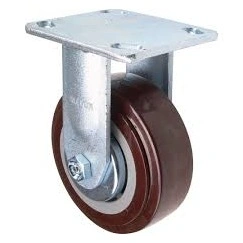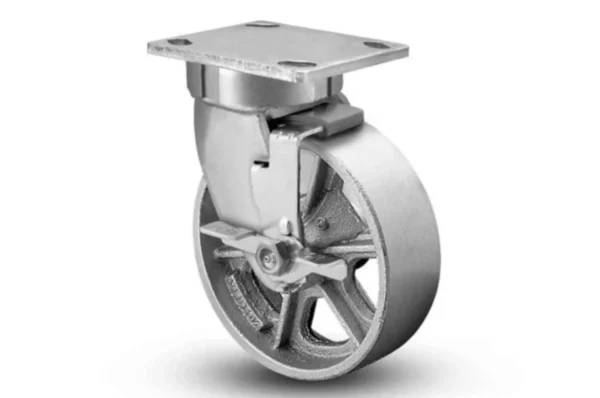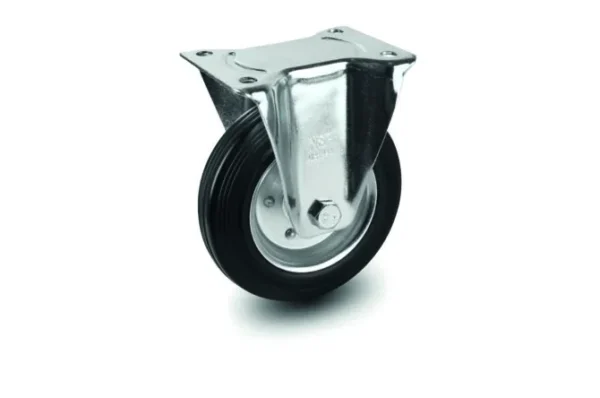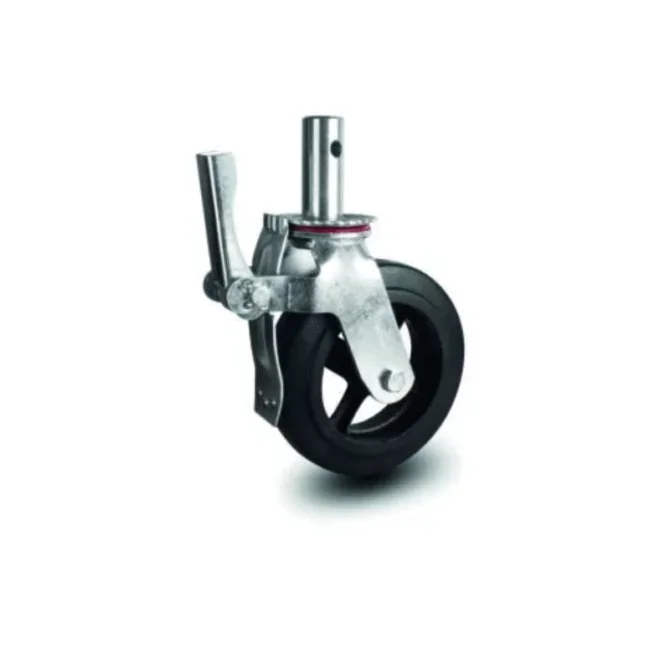
Sustainability is becoming a priority across industries. This includes material handling, mobility equipment, warehousing, medical supplies, and commercial manufacturing. Many businesses want equipment that performs well but also reduces environmental impact. As a result, more customers ask how eco-friendly Solid Rubber Caster Wheels are and whether rubber casters are a responsible choice.
At Go Casters, we take sustainability seriously. We know customers want mobility solutions that last, waste less material, reduce replacement cycles, and minimize environmental harm. This detailed guide examines the environmental impact of solid rubber casters. Also, this explains the factors that make them sustainable or unsustainable, and shows how choosing the right caster reduces waste.
Why Sustainability Matters in the Caster Industry?
Caster wheel manufacturers use several types of materials, including rubber, steel, polyurethane, nylon, and other composites. There are different degrees of environmental impact for each of these material types. Millions of caster wheels are produced in the world each year for numerous purposes, including:
1. Medical Equipment
2. Industrial Carts
3. Warehousing Dollies
4. Retail Shelving
5. Hospitality Equipment
6. Commercial Trolley
The faster caster wheels wear out, the more waste will accumulate in landfills.
What Makes Solid Rubber Caster Wheels a Sustainable Option?
Solid rubber wheels, when used appropriately, are an excellent long-term investment for businesses/organizations that frequently move heavy loads. Businesses/Organizations have also been encouraged to move away from metal/plastic casters in favor of solid rubber casters, which offer advantages such as quiet operation, vibration absorption, floor protection, and eco-friendliness.
Reasons why solid rubber caster wheels support sustainability:
1. Long Lifespan Reduces Waste
Casters that last longer reduce resource consumption. Solid rubber casters do not rely on air chambers or foam interiors. The entire wheel is durable rubber wrapped around a strong core.
That means:
- No flats, air leaks, and no rapid deterioration
- Less frequent replacement
- Fewer discarded wheels and longer lifespans reduce manufacturing waste and transportation emissions.
This is one of the most significant sustainability benefits of Rubber Wheels Casters.
2. Rubber Is Recyclable in Many Regions
The rubber material used in casters can often be recycled. Many facilities accept industrial rubber for:
- Re-grinding
- Material blending
- Rubber mats
- Insulation fillers
- Industrial flooring
Recyclability reduces landfill waste and encourages responsible material reuse.
3. Rubber Wheels Protect Floors and Reduce Facility Damage
Floor damage leads to repairs, chemical treatments, or resurfacing. All of these activities increase environmental strain.
Solid rubber wheels:
- Reduce scuffing
- Lower vibration
- Prevent gouging
- Protect polished floors
- Avoid cracking concrete
By preventing floor damage, rubber casters help businesses reduce the need for repair materials, energy, and waste.
4. Rubber Requires Less Complex Manufacturing Than Many Synthetic Materials
Polyurethane and nylon wheels are made using chemical reactions and curing processes. They may also use hazardous additives. Factories typically need to use fewer chemicals and processes that consume less energy when making solid rubber wheels casters.
This reduces:
- Energy use
- Chemical waste
- Production emissions
The overall manufacturing footprint is smaller than that of many synthetic caster types.
5. Rubber Absorbs Shock, Extending Equipment Life
Casters influence how equipment wears down over time. Rugged wheels transmit vibration directly into carts, tools, and machinery. That vibration can shorten the equipment’s lifespan.
Solid rubber absorbs shock naturally.
Benefits include:
- Longer equipment lifespan
- Fewer replacement parts
- Reduced waste production
Environmental impact improves when the equipment lasts longer.
Sustainability Limitations to Be Aware Of
While rubber casters offer many environmental advantages, they also have limitations. Sustainability depends on how the wheels are produced and how they are used.
1. Not All Rubber Is Natural Rubber
Some rubber wheels contain synthetic blends, which rely on petroleum-based materials. Natural rubber is more sustainable, but synthetic rubber may last longer in some applications.
Sustainability depends on:
- Rubber source
- Production standards
- Manufacturing emission
At Go Casters, we work with partners who follow responsible production guidelines.
2. Large Heavy-Duty Wheels Require More Material
Bigger wheels require more rubber and a stronger metal core. This increases the material footprint. However, these wheels also last far longer, which helps balance the sustainability equation.
3. Recycling Availability Varies by Region
Some regions recycle industrial rubber efficiently. Others do not accept it due to equipment limitations. This affects the end-of-life sustainability of rubber casters.
Solid Rubber Caster Wheels Reduce Operational Waste
Sustainability is not just about materials. It’s also about performance and replacement cycles. When Solid Rubber Wheels Casters are correctly installed and used within their load limits, they reduce waste in several ways.
Longer replacement cycles
Fewer replacements mean fewer discarded wheels.
Less maintenance
Rubber wheels rarely require lubrication and seldom crack under normal conditions.
Less energy is used during movement.
Rubber wheels reduce friction, helping workers push equipment with less force.
Better protection for transported goods
Less vibration leads to fewer damaged items, reducing commercial waste.
Businesses that care about long-term environmental reduction benefit significantly from rubber wheel performance.
Customer Testimonial
“After switching to solid rubber wheel casters from Go Casters, our waste volume dropped, and our carts became easier to move. The wheels last much longer, and we’re replacing them far less often. It’s better for efficiency and better for the environment.”
— Operations Manager, Vancouver Distribution Hub
How to Choose Environmentally Friendly Solid Rubber Caster Wheels?
Choosing sustainable casters requires attention to several factors.
1. Check the Load Capacity
Overloading leads to premature damage. Choose casters with a safe margin above your maximum load.
2. Select Wheels with High-Quality Rubber
High-quality rubber improves lifespan and reduces waste.
3. Choose Wheels with Steel or Recyclable Cores
Metal cores often have higher recycling potential.
4. Choose the Right Wheel Diameter
Bigger is not always better. Match caster size to your actual needs to avoid material waste.
5. Buy from Brands That Prioritize Longevity
Longer life = lower environmental footprint.
At Go Casters, we guide customers to choose the right Rubber Wheels Casters for every application.
FAQs
1. Are Solid Rubber Casters recyclable?
In many regions, yes. It depends on local recycling facilities.
2. Are rubber wheels more sustainable than polyurethane?
Rubber can be more sustainable due to simpler production and natural material content.
3. Do rubber casters last longer?
Solid rubber often lasts longer than rugged plastic wheels, reducing waste.
4. Do rubber casters harm floors?
No. Rubber protects flooring from scuffs and cracks.
5. Does using rubber wheels save energy?
Yes. They roll smoothly, requiring less force to move equipment.
Solid Rubber Caster Wheels Offer Strong Sustainability Benefits
When measured across lifespan, performance, maintenance, and recyclability, Solid Rubber Casters deliver clear environmental advantages. They last longer than many alternatives, reduce replacement waste, and minimize floor and equipment damage. Their consistent performance also lowers operational energy use.
At Go Casters, we offer durable, long-lasting Rubber wheel casters built for industrial, commercial, and healthcare environments. When customers choose long-lasting casters, sustainability improves naturally.
If you’d like a meta description, shortened version, or social media captions, just tell me!