At Go Casters, we understand that mobility is not a secondary feature in industrial environments—it is a core operational requirement. Every facility that relies on moving equipment, platforms, or workstations depends on predictable and controlled motion. That is where rubber casters play a critical role. We view these components not as accessories, but as engineered solutions that directly influence safety, efficiency, and long-term equipment performance.
Our focus has always been on selecting mobility systems that perform consistently under real working conditions. When movement is smooth and controlled, operations remain stable, workflows stay uninterrupted, and personnel can work with confidence. This belief guides how we evaluate and apply rubber casters across industrial use cases.
Designing for Shock Absorption and Floor Protection
In many operational settings, floors are exposed to constant rolling loads, vibration, and impact. Over time, rigid mobility systems can damage surfaces and compromise equipment stability. We prioritize wheel designs that absorb shock and reduce vibration, allowing equipment to move without transmitting stress to floors or frames.
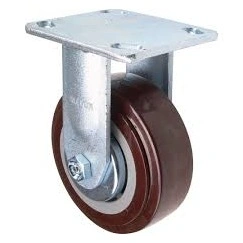
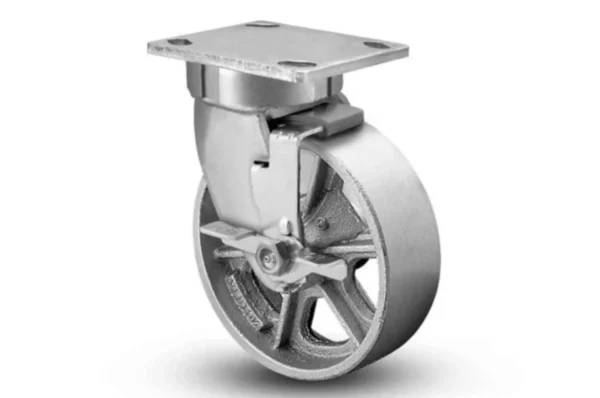
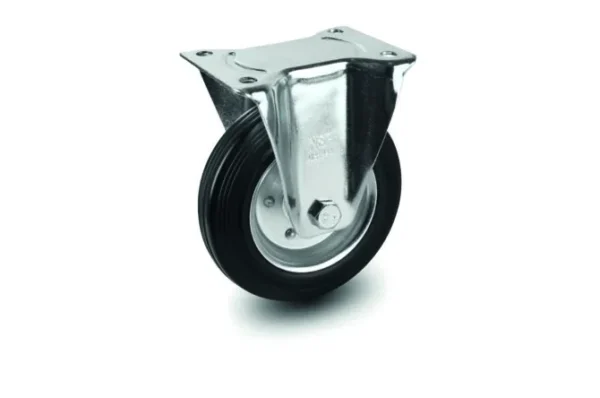
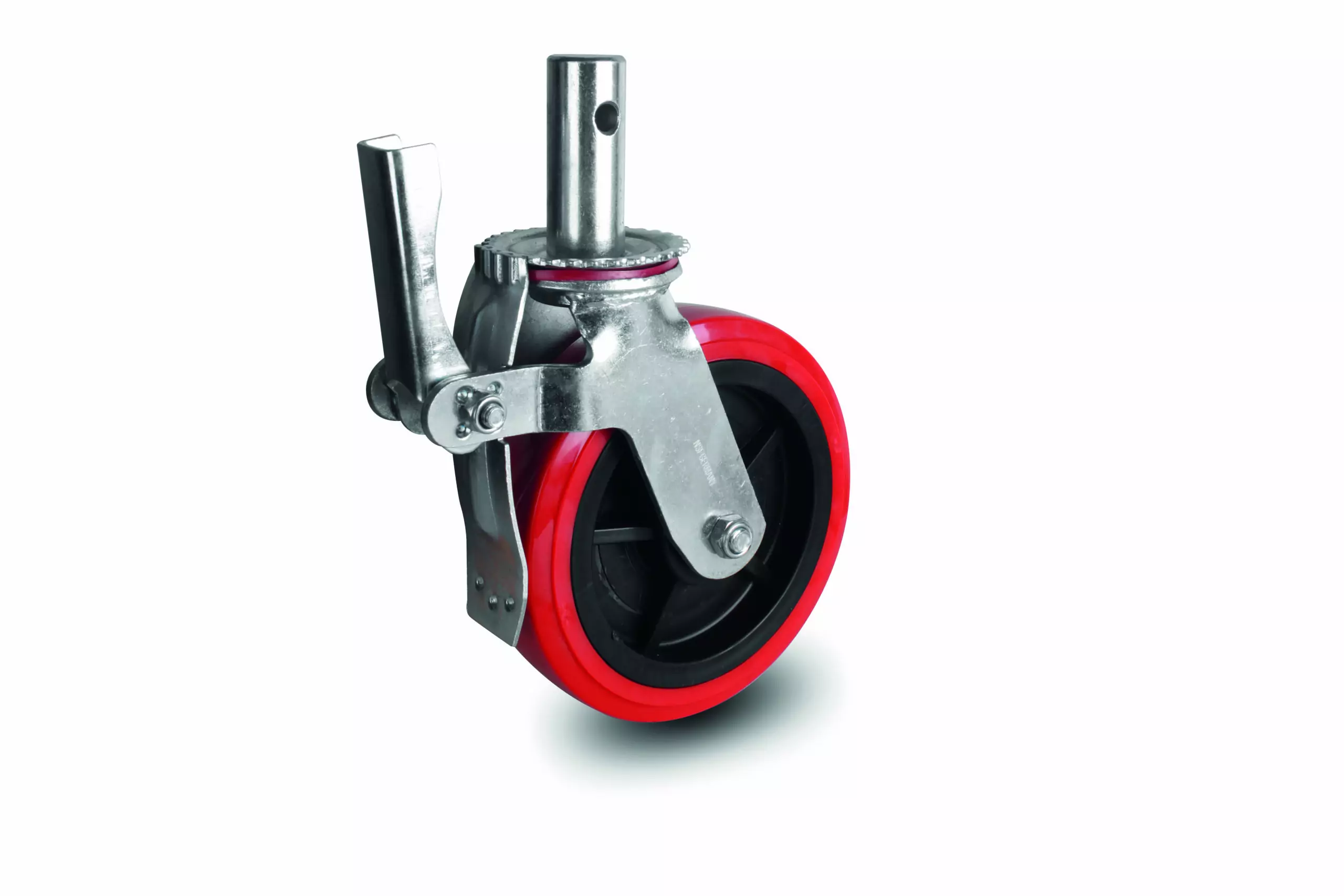
This is where Rubber Wheel Casters become especially valuable. Their natural flexibility supports quiet movement and surface protection, making them suitable for environments where precision and consistency matter. By reducing impact forces, these wheels help preserve both infrastructure and equipment integrity over long operational cycles.
Load Stability Under Continuous Use
Industrial movement is rarely occasional. Equipment is relocated repeatedly throughout the day, often under significant load. Stability under pressure is one of the most important performance factors we consider. Wheel systems must maintain shape, balance, and control even when subjected to continuous weight and directional changes.
For higher load applications, solid rubber caster wheels offer the structural strength needed to maintain stability without sacrificing smooth movement. These configurations allow loads to remain balanced, reducing the risk of tipping or uneven rolling. Our experience shows that consistent load distribution directly improves operational safety and handling accuracy.
Adapting to Diverse Work Environments
No two facilities operate the same way. Manufacturing floors, warehouses, labs, and service areas each pose distinct challenges when it comes to movement. Our approach is to support mobility solutions that adapt to different surfaces, layouts, and movement patterns without compromising control.
We see rubber casters as a flexible mobility option that performs reliably across structured indoor environments. Their ability to handle frequent starts, stops, and directional shifts makes them suitable for facilities where layouts evolve over time. This adaptability supports efficient space planning and reduces the need for permanent equipment positioning.
Bearing Performance and Movement Efficiency
Smooth movement does not happen by chance. Bearing systems play a major role in how equipment responds under load. Poor bearing quality increases resistance, operator effort, and wear. We evaluate bearing performance carefully to ensure that rolling resistance remains low even as weight increases.
Efficient bearings allow equipment to move with minimal force, improving control and reducing strain on personnel. Over time, this translates into safer handling and longer service life. Movement efficiency is not just about speed—it is about precision, predictability, and reduced mechanical stress.
Managing Uneven Surfaces and Operational Transitions
Industrial operations rarely remain confined to perfectly smooth surfaces. As equipment moves between work zones, loading areas, and access points, it encounters subtle surface changes that can disrupt stability. These transitions place added demands on mobility systems, requiring designs that maintain control and balance while adapting to uneven conditions without interrupting workflow continuity.
The cushioning properties of rubber-based wheels help absorb minor surface irregularities, ensuring consistent motion across changing conditions. This controlled response reduces vibration transfer and protects both equipment and transported loads. From our perspective, predictable movement across varied surfaces is essential for maintaining workflow reliability.
Maintenance as Part of Performance
Longevity is a key consideration in any industrial component. Wheel systems that degrade quickly introduce downtime and safety risks. We emphasize designs that are easy to maintain and resistant to premature wear.
Routine inspection, cleaning, and bearing care significantly extend service life. Properly maintained solid rubber caster wheels continue to deliver stable performance under repeated use. Facilities that prioritize maintenance benefit from reduced interruptions and consistent mobility across operations.
Supporting Safer Workflows
Safety is closely tied to how equipment moves. Uncontrolled rolling, sudden shifts, or unstable platforms increase risk. Our approach focuses on mobility solutions that support controlled starts, smooth stops, and stable positioning.
By integrating properly selected rubber casters, facilities improve handling confidence and reduce the likelihood of movement-related incidents. Controlled mobility contributes directly to safer working conditions and supports compliance with internal safety standards.
Strategic Mobility Selection
Selecting the right wheel configuration requires understanding operational realities. Load weight, frequency of movement, surface conditions, and spatial constraints all influence performance. We encourage evaluating mobility as part of a broader workflow strategy rather than a standalone decision.
When mobility aligns with operational demands, it becomes an enabler rather than a limitation. The right configuration reduces bottlenecks, improves handling accuracy, and supports long-term equipment reliability.
Final Thoughts
At Go Casters, we view mobility as a system-level consideration. Wheels are not just about movement—they influence safety, efficiency, and operational flow. By applying thoughtful engineering principles and practical experience, we help facilities achieve controlled, reliable motion.
When selected and maintained correctly, rubber casters become a long-term asset. They support stable workflows, protect infrastructure, and allow teams to focus on productivity rather than movement challenges. For us, effective mobility is not optional—it is fundamental to how modern operations function.