Casters are essential in establishing a system that provides safe, effective, and long-lasting industrial mobility. The material of the medium-duty caster wheels affects the overall performance of the caster. However, it also impacts the amount of preventative maintenance required to maintain an efficient working environment for that caster. Examples of medium duty casters materials are durable enough to provide continued functionality of equipment and trolley carts throughout factories. Organizations in Dubai must therefore understand the various types of caster materials and how they will affect overall productivity and quality.
Below are the Materials That Used in Medium Duty Casters
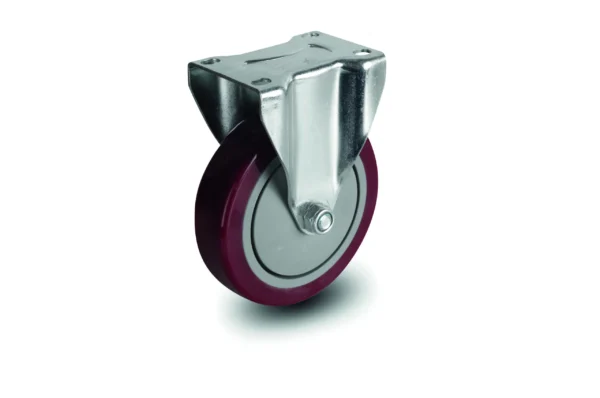
1. Polyurethane Casters: Durable and Floor-Friendly
As one of the best materials for making caster wheels today, polyurethane combines durability and versatility.
Caster’s polyurethane material provides excellent resistance to chemicals, solvents, and oils, and gives good shock absorbency to reduce damage and noise on floor surfaces.
These types of casters perform well on smooth surfaces and are suitable for different environments. And they are quiet when moving, making them ideal for all of those situations as well.
Polyurethane provides long life and continued performance over time, with very little wear and tear on both the polyurethane material itself and the device it transports.
This has led businesses in Dubai to seek casters made of polyurethane because they provide smooth, reliable, and low-maintenance service.
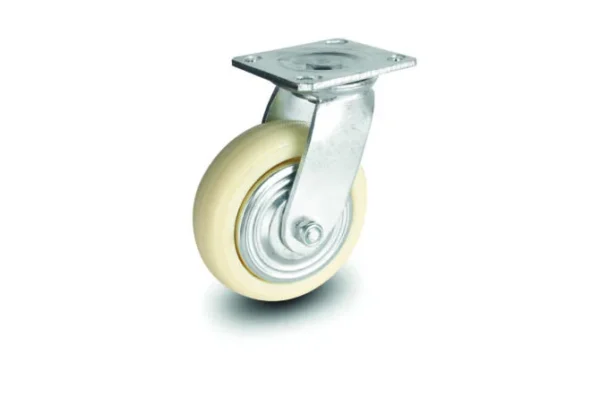
2. Nylon Casters: Lightweight and High-Load-Bearing
Manufacturers typically make caster wheels for medium-duty applications from nylon because it offers a high strength-to-weight ratio. As a result, they are very effective: resistant to corrosion, moisture, and most chemicals, and lightweight.
Where to use: Nylon-based casters are excellent for cleanrooms, laboratories, and other areas requiring chemical resistance.
Long-term performance: Medium-duty nylon casters do not flatten or lose rolling capability after repeated use.
Selecting nylon for Medium Duty Casters will help reduce overall equipment weight, enabling easier transitions and saving energy.
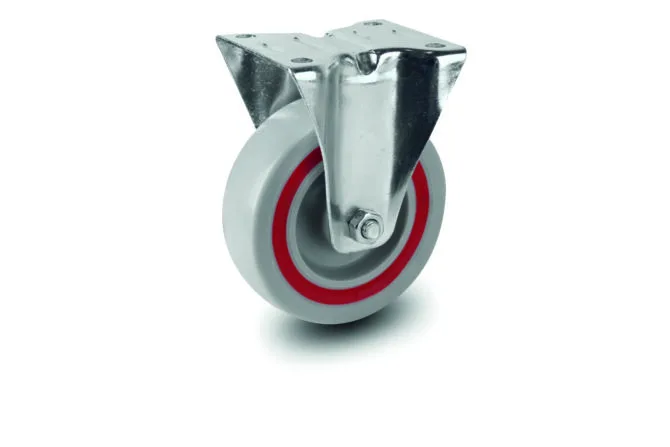
3. Rubber Casters: Shock Absorption and Noise Reduction
Manufacturers typically use rubber in medium-duty caster wheels, especially in applications where noise reduction and floor protection are important.
Some advantages of rubber casters include their ability to absorb vibrations, protect sensitive surfaces, and enable smooth rolling over uneven surfaces. They also provide much quieter operation, thus providing a more comfortable working environment.
Rubber castors work best in hospitals, schools, offices, and retail spaces where floor protection and noise reduction are both top priorities. Although rubber casters may have a shorter lifespan than polyurethane or nylon casters, they can be used in the proper environment.
The majority of businesses in Dubai will tend to use rubber casters for medium-duty caster wheels in indoor applications, where both floor protection and quiet operation are essential.
4. Stainless Steel Casters: Strength and Corrosion Resistance
Stainless steel casters are great for applications requiring strength, sanitary conditions, and corrosion resistance.
The benefits of stainless steel include high strength, long service life, rust and chemical resistance, and the ability to withstand high temperatures.
Some of the most common applications for stainless steel casters are food processing plants, pharmaceutical plants, and other wet and humid environments.
The casters handle moderate loads and require little maintenance. They have a long service life, even in harsh environments.
Many industries prefer medium-duty stainless steel casters in environments with stringent hygiene requirements.
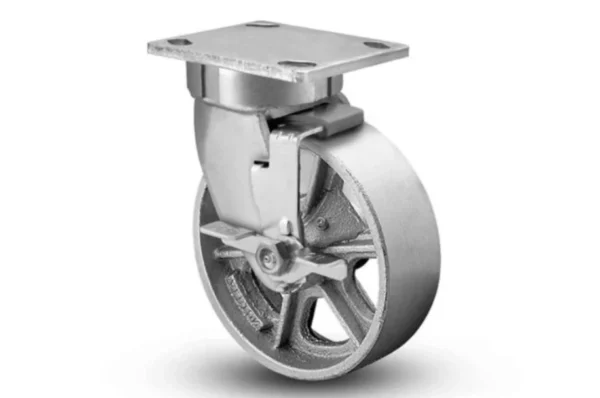
5. Cast Iron Casters: Heavy-Duty Performance in Medium Loads
Manufacturers sometimes use cast iron for casters because it provides sufficient strength and resists deformation in industrial applications.
A very strong caster that can hold up under heavy loads. Cast iron provides excellent wear resistance.
Industries with concrete floors that require shock absorption should choose cast-iron casters. If used correctly, cast iron will have many years of useful service.
Although cast iron provides long service, it can be loud and may damage floors, such as wood, because it is very hard. Manufacturers typically pair cast-iron casters with rubber-tread casters to provide additional floor protection and support heavy loads.
Maintenance Tips for Medium Duty Casters
Proper maintenance ensures casters continue performing optimally:
- Regular Cleaning: Remove debris to prevent damage.
- Lubrication: Periodically grease bearings to reduce friction.
- Load Monitoring: Avoid exceeding weight limits.
- Inspection: Check for cracks, flattening, or corrosion, and replace worn-out casters promptly.
These small steps can significantly enhance the longevity and efficiency of medium duty casters in Dubai.
FAQs
Q1: What is the difference between medium-duty and heavy-duty casters?
A: These casters handle moderate loads (150–800 lbs), while heavy-duty casters are designed for loads above 800 lbs.
Q2: Can I use rubber casters on concrete floors?
A: Yes, but they may wear faster than polyurethane. For long-term use on concrete, polyurethane is recommended.
Q3: How often should I inspect my caster wheels?
A: Monthly inspections are recommended for casters in high-traffic or industrial settings.
Conclusion
It is paramount that medium-duty caster wheel material selections be made. This recognizes that a wide variety of caster wheel materials are used across industries, ultimately enhancing the caster’s performance. Each type of caster wheel material offers unique benefits for specific uses. Therefore, numerous options exist for your different needs, whether moving items at your place of work, industrially or non-industrially.
The availability of high-quality casters helps businesses globally improve mobility and minimize downtime. Thereby enhancing the organization’s operational capabilities.
Go Casters has proven its reliability by delivering high-performance products to meet the needs of businesses throughout industrial supply chains for many years.