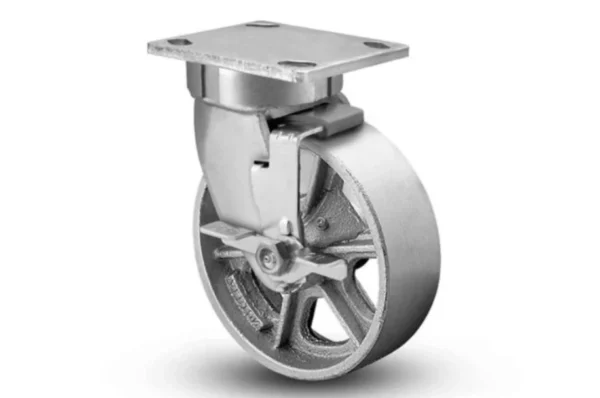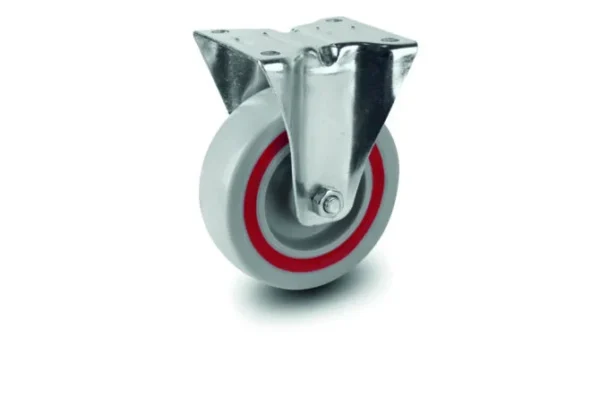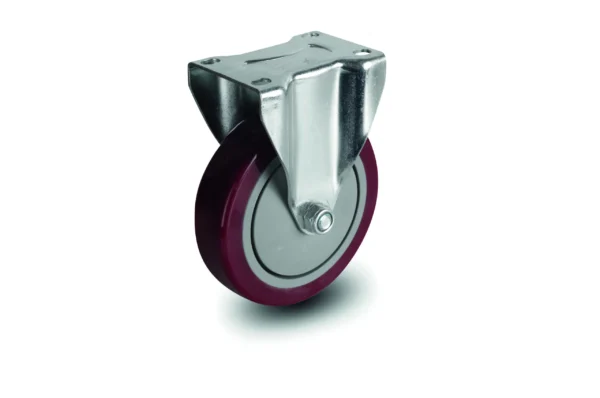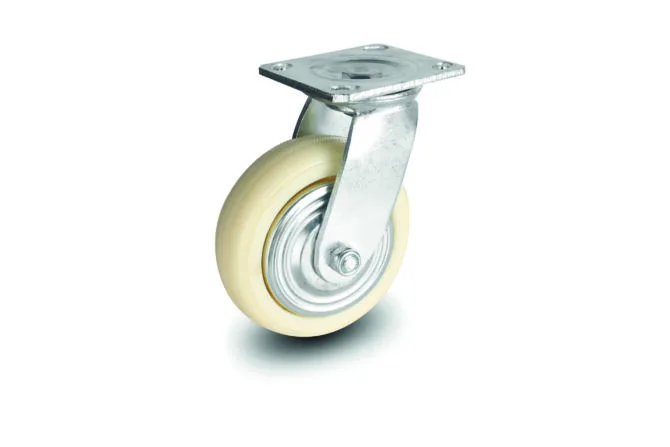
Casters are a vital part of all manufacturing facilities, including yours, and can affect every aspect of your operations, including productivity and safety. They provide carriers that enable the movement of large numbers of products through your operation. Aside from facilitating manufacture and assembly, heavy duty casters help move materials about the production area, thereby increasing production efficiency. In addition, it is necessary to maintain wheel casters with proper time management and maintenance methods to keep them operational over the long term.
At Go Caster, we understand that the quality of your heavy-duty wheels is an investment, and you want to protect that investment and maintain great performance. Without preventive maintenance, even high-quality casters will wear out quickly, causing delays and increased costs for you.
This guide provides a step-by-step process for maintaining your casters to help reduce the risk of unexpected downtime and ensure long-term performance.
Why Maintenance Matters for Heavy Duty Casters?
Many businesses do not ensure proper maintenance of their wheels until it’s too late. Because of this, they can expect to have service interruptions if they don’t change their wheels regularly.
Some of the benefits associated with maintaining your Casters include;
- Consistent load handling performance
- Reduced risk of workplace accidents
- Extended equipment lifespan
- Lower repair and replacement costs
On the other hand, neglecting maintenance can lead to issues such as uneven movement, noise, and wheel damage. Therefore, a proactive approach always delivers better results.
Heavy Duty Casters Maintenance Essentials for Long-Term Performance
To ensure durability and reliability in their businesses, every business should focus on a limited number of key preventive measures. This supports the operation of its heavy-duty wheels with maximum efficiency for extended periods under the weight of all the items being transported.
Regular Inspection for Early Problem Detection
Regular inspections of your casters will serve as a basis for good maintenance. Any small issues that are only noticed during routine inspections but could have become large problems will be caught now.
During your inspection, check for:
- Worn-out wheels
- Loose bolts or fittings
- Cracks in the wheel material
- Debris is stuck in the wheel
Early detection allows for quick fixes, preventing costly repairs later.
Keep Casters Clean and Debris-Free
Dust, dirt, and other debris can be found in many different working environments that casters work in. Over time, these particles can cause poor running performance issues by increasing activity. Regularly cleaning heavy duty wheels and casters will help maintain their smooth operation whilst preventing excessive wear.
Simple cleaning steps include:
- Removing dirt from wheels and bearings
- Wiping surfaces with a clean cloth
- Checking for tangled materials like wires or threads
Clean casters roll more efficiently and reduce strain on equipment.
Lubrication for Smooth Operation
To maintain casters in good working condition, they require lubrication.
The most common locations for applying lubricant are where the caster and mounting plate attach. These are:
- Wheel bearings
- Swivel joints
- Axle components
Using the right lubricant reduces wear and ensures smooth rotation. It also helps prevent rust and corrosion in harsh environments.
Check Load Capacity and Usage Conditions
Every caster is rated with a specified capacity. If this capacity is exceeded, the wheels will suffer damage and have a shorter lifespan.
To extend the life and performance of heavy-duty caster wheels, you should follow the recommendations listed below –
- Loads remain within the recommended capacity
- Weight is evenly distributed
- The equipment is not overloaded
Monitoring usage conditions helps prevent unnecessary stress on casters and ensures consistent performance.
Inspect and Tighten Fasteners
The stability and safety of things may be affected if bolts become loose. With daily use, some may eventually become loose.
Make sure to check and tighten regularly:
- Mounting plates
- Bolts and nuts
- Axle connections
Secure fittings improve stability and prevent accidents during movement.
Monitor Wheel Wear and Replace When Needed
Worn wheels may still provide some service if they are not properly maintained. However, ignoring worn wheel repairs and replacements can affect your vehicle and create safety hazards for you and others.
Signs that indicate replacement include:
- Flat spots on wheels
- Cracks or deformities
- Reduced rolling efficiency
Replacing worn heavy duty wheels and casters ensures that equipment continues to operate smoothly.
Choose the Right Wheel Material for Your Environment
Maintenance also depends on selecting the correct wheel material. Different materials perform better under specific conditions.
Common options include:
- Polyurethane for durability and floor protection
- Rubber for quiet operation
- Steel for extreme load capacity
Choosing the right material reduces wear and minimizes maintenance requirements.
Protect Casters from Harsh Environments
There is a lot of potential for companies to expose their casters to the elements and extreme temperatures. Such conditions could ultimately lead to long-term wear and tear on the casters’ components as moisture accumulates on them.
To protect heavy duty casters, businesses should:
- Avoid prolonged exposure to water
- Clean casters after chemical exposure
- Use corrosion-resistant materials when necessary
Taking these precautions helps maintain long-term performance.
Train Staff on Proper Equipment Handling
Even high-quality casters can fail if used improperly. Employee training plays a key role in maintenance.
Workers should understand:
How to move equipment safely?, How to avoid overloading?, and How to report maintenance issues
Proper handling reduces wear and extends the life of heavy-duty caster wheels.
Create a Preventive Maintenance Schedule
An organized approach to maintenance will aid in reliability and consistency. Companies can then prevent problems rather than respond to them after they occur.
A good maintenance schedule includes:
- Routine inspections
- Regular cleaning
- Periodic lubrication
- Timely replacements
This proactive approach keeps heavy duty wheels and casters in optimal condition.
Improve Workplace Efficiency Through Maintenance
Increasing productivity can be achieved by maintaining casters that not only avoid breakdowns but also improve efficiency.
Heavy Duty Casters will help the equipment roll more smoothly. This makes it much easier to move around. Thus, it reduces the physical effort required to complete job tasks and speeds up the time it takes you to complete them. This results in less downtime on production lines.
In addition to the above, a maintained caster will help reduce noise levels and improve the overall atmosphere in the workplace.
Cost Savings Through Proper Maintenance
Failure to maintain heavy-duty wheels can increase costs because more frequent replacements and damaged equipment will affect your business’s bottom line.
Consequently, maintaining heavy-duty wheels enables businesses to:
- Reduce repair costs.
- Prolong the life of the product.
- Avoid the need to stop operating their business.
Overall, taking the time to perform maintenance on heavy-duty wheels has proven to provide significant economic advantages to businesses over time.
Final Words
At Go Casters, we believe that the quality of our products provides value over time. When your business follows these guidelines for maintaining your heavy duty casters, you will be able to count on your casters providing efficient performance for many years to come.