In industrial environments, selecting the appropriate Rigid Casters in UAE is critical to ensure the efficient movement of trolleys, carts, and heavy equipment. The quality, material, and specifications of casters directly impact operational productivity, workplace safety, and long-term durability. Using incorrect or low-quality casters can lead to equipment damage, operational delays, and safety hazards.
At Go Casters, we supply a wide range of industrial-grade caster solutions engineered to deliver consistent performance, high load capacity, and long-term reliability. This guide outlines the top features to consider when selecting Rigid Casters in UAE, helping businesses make informed, technically sound decisions.
1. Load Capacity: The Core Consideration
The load capacity of a caster is one of the most crucial factors in industrial applications. Rigid Casters in UAE are designed to handle specific weight ranges, and selecting a caster with inadequate load support can compromise stability and safety.
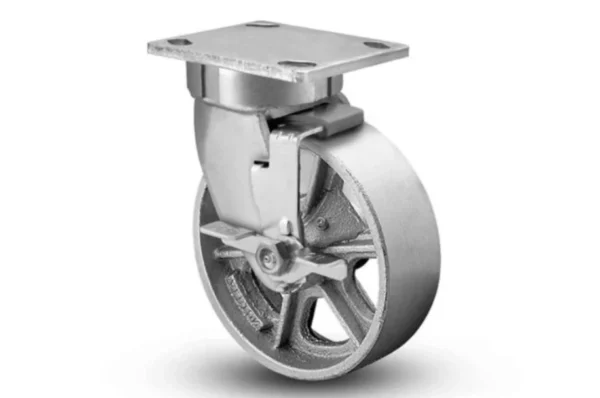
While selecting the right caster, consider the overall weight composed of the equipment and the largest load you expect. High-capacity casters, such as heavy duty casters with brakes are suggested for industrial trolleys, pallet trucks, and machines. These casters can hold considerable weight and at the same time, they are equipped with locking systems to stop the move of the device unintentionally during loading or unloading activities
2. Bearing Type and Wheel Design
The kind of bearing and wheel design is the primary factors that set the rolling efficiency and longevity of rigid caster wheels. Wheels with ball bearings are very smooth in movement with rolling resistance lowered, so such casters can be used for heavy loads in long-distance transport. Whereas sliding or plain bearings are good for light applications, they may not bear heavy loads continuously.
Wheel materials and design also play a significant role:
- Steel Wheels: Durable and suitable for high-load, harsh industrial environments.
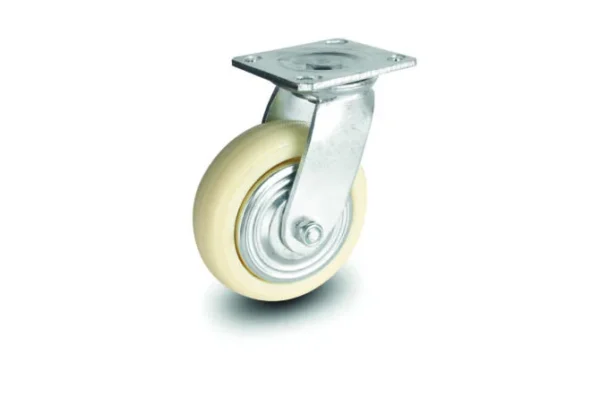
- Polyurethane Wheels: Ideal for smooth flooring, providing quiet operation while reducing surface wear.
- Rubber Wheels: Absorb shocks, reduce vibration, and protect both equipment and flooring.
Choosing the right combination of bearing type and wheel material ensures optimal performance and longevity.
3. Braking Mechanism for Enhanced Safety
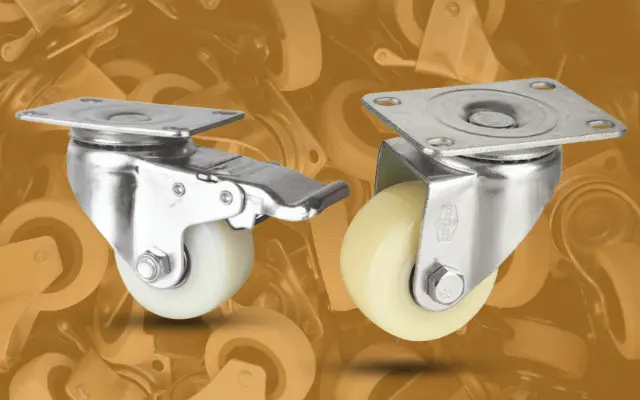
Secure stopping is at times necessary in industrial operations for the purpose of preventing accidental movement. Heavy duty casters with brakes deliver dependable locking systems, with a variety from side locks to total wheel locks, which enable the machinery to be still during either loading or operation.
In warehouses or manufacturing floors, locking casters prevent trolleys or pallet trucks from rolling unintentionally, safeguarding both personnel and inventory. Implementing casters with integrated braking mechanisms is an essential safety measure in any industrial setting.
4. Material Quality and Durability
When choosing Rigid Casters, one of the most important factors is their durability. Heavy use, chemicals, moisture, and extreme temperatures are all conditions that industrial casters must endure. Casters that are made of proper materials are capable of lasting longer and simultaneously reducing maintenance costs.
- Steel Casters: High strength and resistance to mechanical wear; suitable for heavy-duty applications.
- Polyurethane Casters: Offer quiet, smooth rolling and reduced floor wear on polished surfaces.
- Rubber Casters: Provide vibration absorption and shock resistance for uneven floors or sensitive equipment.
Go Casters offers industrial-grade options that combine robust construction with precise engineering to meet the demanding requirements of industrial operations.
5. Size and Frame Design
The size of caster wheels significantly influences maneuverability and load handling. Larger wheels facilitate movement over uneven surfaces with minimal effort, while smaller wheels are more suited to lighter applications and compact equipment.
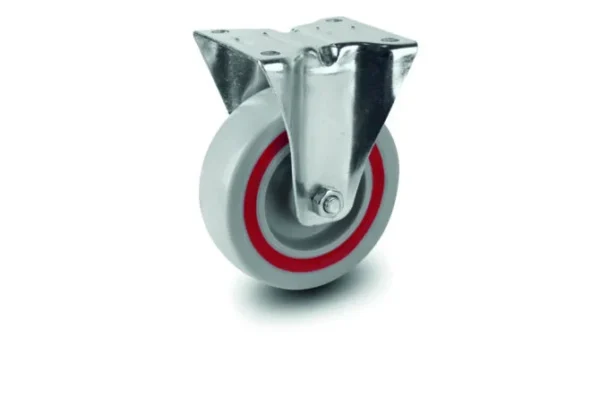
The frame design also impacts functionality. Rigid casters maintain a fixed direction, providing excellent stability and predictable load distribution. These casters are ideal for assembly lines, storage racks, or heavy-duty trolleys that move along straight paths without requiring directional changes.
6. Environmental Considerations
Industrial casters must perform reliably under the specific environmental conditions of their operation. Key considerations include:
- Corrosion Resistance: Stainless steel or coated casters prevent rust and maintain structural integrity in humid or wet environments.
- Temperature Tolerance: High-temperature casters are necessary in heat-intensive environments such as ovens, furnaces, or outdoor industrial operations.
- Floor Compatibility: Non-marking wheels are recommended for polished floors, whereas steel or rubber wheels perform effectively on concrete or rough surfaces.
Selecting casters suitable for the operational environment ensures consistent performance and reduces maintenance requirements.
7. Maintenance and Operational Longevity
Even industrial-grade Rigid Casters in the UAE require routine maintenance for optimal performance. Regular inspection, cleaning, and lubrication of bearings prevents premature wear and ensures reliable operation over time.
Go Casters supplies caster solutions that minimize maintenance needs through features such as sealed bearings, corrosion-resistant materials, and durable construction. These design elements support high-frequency use while reducing operational downtime and costs.
8. Cost vs. Value Considerations
While price is an important factor, the overall value of Rigid Casters in UAE should be the focus. Investing in durable, high-performance casters reduces replacement frequency, lowers maintenance costs, and enhances workplace safety.
Low-quality alternatives may seem economical initially but can result in higher long-term expenses due to equipment damage, operational delays, or safety incidents. Evaluating casters based on features like load capacity, material, bearing type, and braking mechanism ensures a better return on investment.
9. Industrial Applications of Rigid Casters
Rigid Casters in UAE are employed across multiple industrial sectors, including:
- Industrial Trolleys and Carts: Efficient transport of heavy machinery, raw materials, and finished goods.
- Warehouse Operations: Stability and predictable movement for pallet trucks, storage racks, and material handling equipment.
- Furniture and Office Equipment: Stability and controlled movement for heavy furniture in corporate or institutional settings.
- Construction and Scaffolding: Heavy-duty casters provide reliable support for scaffolding platforms, tools, and equipment.
Understanding the specific application requirements ensures the selection of casters with appropriate load ratings, wheel materials, and braking systems.
Conclusion
The process of choosing suitable rigid casters in the UAE is quite intricate, as one has to consider factors like load capacity, bearing type, braking system, material, wheel size, and the environment’s compatibility with the caster. Rigid caster wheels provide stability and strength for inflexible movement, whereas heavy duty casters with brakes give security and control for high-load operations.
Choosing high-quality casters, such as those supplied by Go Casters, ensures operational efficiency, safety compliance, and long-term reliability. Proper selection and maintenance of industrial casters not only supports smoother material handling but also protect personnel, equipment, and assets across industrial operations.