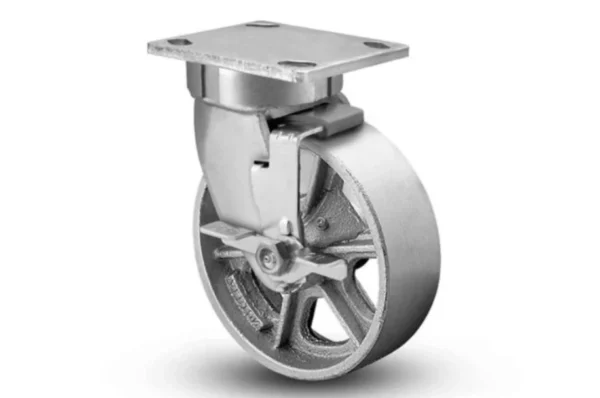
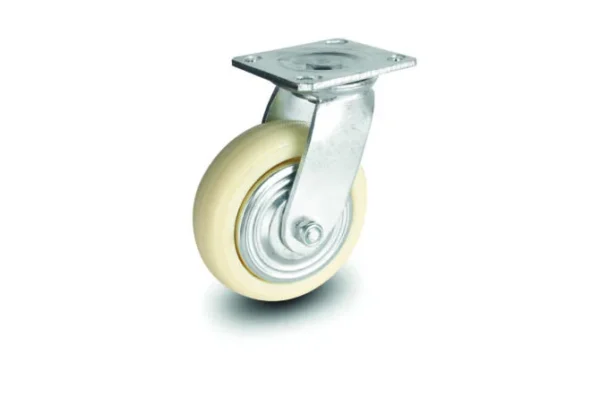
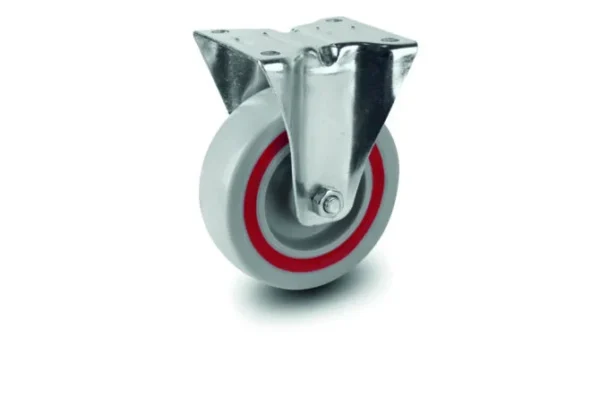
When it comes to construction and industrial work, mobility matters. One overlooked yet vital component of safe and efficient job sites is the type of wheels used on your equipment. In particular, Scaffolding Wheels play a major role in how easily—and safely—your scaffold systems move. If you’re working on uneven ground, maneuvering in tight spots, or locking into place on the fly, the quality of your wheels makes all the difference.
Let’s take a closer look at the features that separate the best scaffolding wheels from the rest—and why choosing wisely can improve workflow and reduce risks.
1. Load Capacity That Matches the Job
Scaffolding systems aren’t light. They’re built to hold people, tools, and materials. That means the wheels under your frame need to handle the full load—plus a margin of safety. It’s not just about picking a high number; it’s about knowing your actual use case. Choosing wheels that support the expected load reduces the chance of flat spots, structural failure, or unnecessary wear.
Also, consider how weight is distributed. Uneven loading may cause certain wheels to experience more stress than others. Choosing properly rated wheels for your total system weight ensures better balance and longer performance.
2. Locking Mechanisms for Safety
One of the top reasons to invest in quality Scaffolding Wheels is the brake system. On a live job site, uncontrolled movement is dangerous. Look for wheels that offer dual-action locking—ones that secure both the wheel’s rotation and the swivel motion. This keeps the structure fixed when needed, especially on sloped or uneven terrain.
Brakes should be easy to access, simple to engage, and durable enough to handle daily wear. A smooth roll is great, but a solid stop is even better when it counts.
3. Materials That Match the Environment
Where you’re working has just as much to do with what type of wheel you need. Outdoor sites may need wheels made of solid rubber or polyurethane—materials that resist damage from stones, debris, and moisture. In contrast, smooth concrete floors may be better suited for nylon or thermoplastic treads that glide quietly and reduce rolling resistance.
The wheel material also impacts durability and maintenance needs. For example, polyurethane tends to offer a good mix of floor protection, resilience, and ease of movement.
4. Maneuverability and Swivel Options
Being able to steer your scaffold easily is more important than you might think. Look for swivel-style wheels that rotate 360 degrees to make positioning easier. Fixed wheels can be added for straight-line movement, but swiveling front wheels help navigate tight construction zones or workspaces with limited access.
High-quality Scaffolding Wheels often come in sets that combine fixed and swivel designs. This mix gives users both control and stability. Think of it as a power steering feature for your jobsite.
5. Corrosion Resistance and Easy Maintenance
In places like the UAE, where heat, sand, and humidity are common, wheel materials need to be tough. Stainless steel brackets, sealed bearings, and rust-resistant finishes all add to the lifespan of your scaffolding components.
Wheels that can be lubricated or cleaned easily also help reduce downtime. If your job involves lots of dust or water exposure, look for wheels with dust caps or sealed housings to prevent internal wear.
6. Compatibility with Frames and Tubes
Not all scaffolding structures are the same, so you need wheels that fit your system. That might mean choosing stem-mounted wheels for round frames or plate-mounted options for flat frames.
Universal mounting styles can be convenient if you use different types of scaffold frames or carts on-site. Some wheels also offer adjustable height options, allowing you to keep your scaffold level even on bumpy surfaces.
7. Versatility Across Equipment
Although this article focuses on Scaffolding Wheels, it’s worth noting that many of the same design principles apply to Pallet Truck Wheels. Load-bearing strength, smooth rolling, and floor protection matter just as much when you’re moving goods in a warehouse as when you’re working on a scaffold.
In fact, many buyers outfit their sites with matching wheel specs across multiple platforms to keep maintenance and parts replacement simple.
8. Testing and Certification
Search for wheels that comply with international safety and quality standards. Whether it’s ISO certification or compliance with EN and ANSI regulations, third-party testing ensures that the product does what it claims.
Reliable manufacturers also provide detailed spec sheets outlining load limits, braking performance, and material composition. If your supplier doesn’t offer that level of transparency, it may be time to reconsider.
9. Practical Tips Before You Buy
- Always calculate the full weight of your scaffold system when loaded.
- Add a 25% safety buffer to your caster’s load rating.
- Test the swivel and lock functions before installation.
- Consider how much daily movement your scaffold will require.
- Don’t forget storage—wheels that resist moisture and rust will store better during off-seasons.
These small checks help ensure your scaffolding setup stays strong, safe, and ready for whatever the workday brings.
Final Thoughts
Good Scaffolding Wheels don’t just move your equipment—they protect your team, improve efficiency, and reduce wear on both gear and flooring. While it’s easy to overlook the wheels beneath your scaffold, they carry the weight of your entire operation—literally and figuratively.
At Go Casters, we help professionals across the UAE choose wheels that meet real jobsite demands. Whether you’re upgrading scaffold rigs or sourcing reliable Pallet Truck Wheels, the goal is the same: safer, smoother movement backed by products that last.